

WASHINGTON — Saturday, November 14, 2026: US Secretary of State Marco Rubio said on Friday that further American military action against Iran is unnecessary because the economic pressure Washington is applying has already weakened Tehran — even as a fresh tanker fire in the Strait of Hormuz and a drone clash near Bahrain underlined how fragile the region’s calm remains.
Rubio, speaking at the Federalist Society’s National Lawyers Convention in Washington, said the economic pain inflicted on Iran was “so great that there’s no need for military action because we’ve weakened them so much.”
His remarks reinforced a statement by US President Donald Trump earlier in the week that the war was “militarily is effectively over.” Three people familiar with the matter told reporters that Trump has told senior advisers in recent days that he may hold off attacking Iran if the United States faces no new provocations from Tehran or the Iran-backed Houthis in Yemen.
Drones intercepted near Bahrain
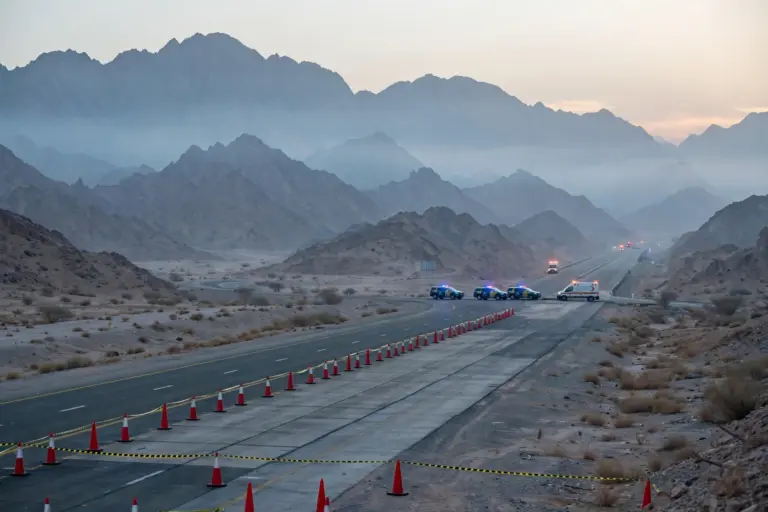
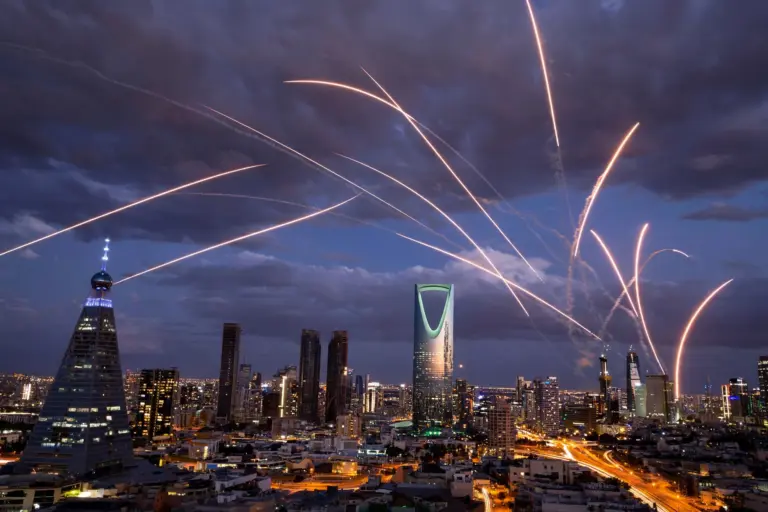
Hours before Rubio spoke, the US military said it had shot down two Iranian attack drones headed towards Bahrain, denying Tehran’s claim that its Revolutionary Guards had destroyed an American early-warning radar installation in the kingdom.
US Central Command said both drones were intercepted without injuries or damage. Iran’s official IRNA news agency cited a Revolutionary Guard statement saying the radar strike had followed a US strike on a telecommunications pole in the southern Iranian port of Sirik. It was Iran’s first reported claim of targeting a facility in Bahrain since September.
New fire in the Strait
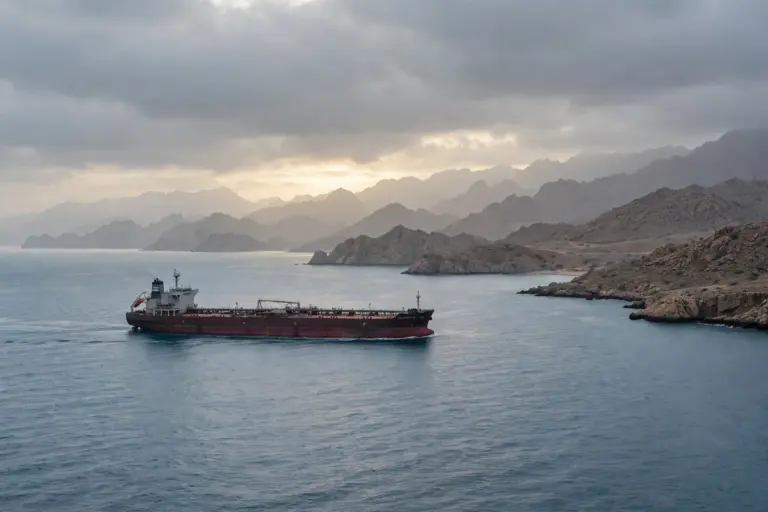
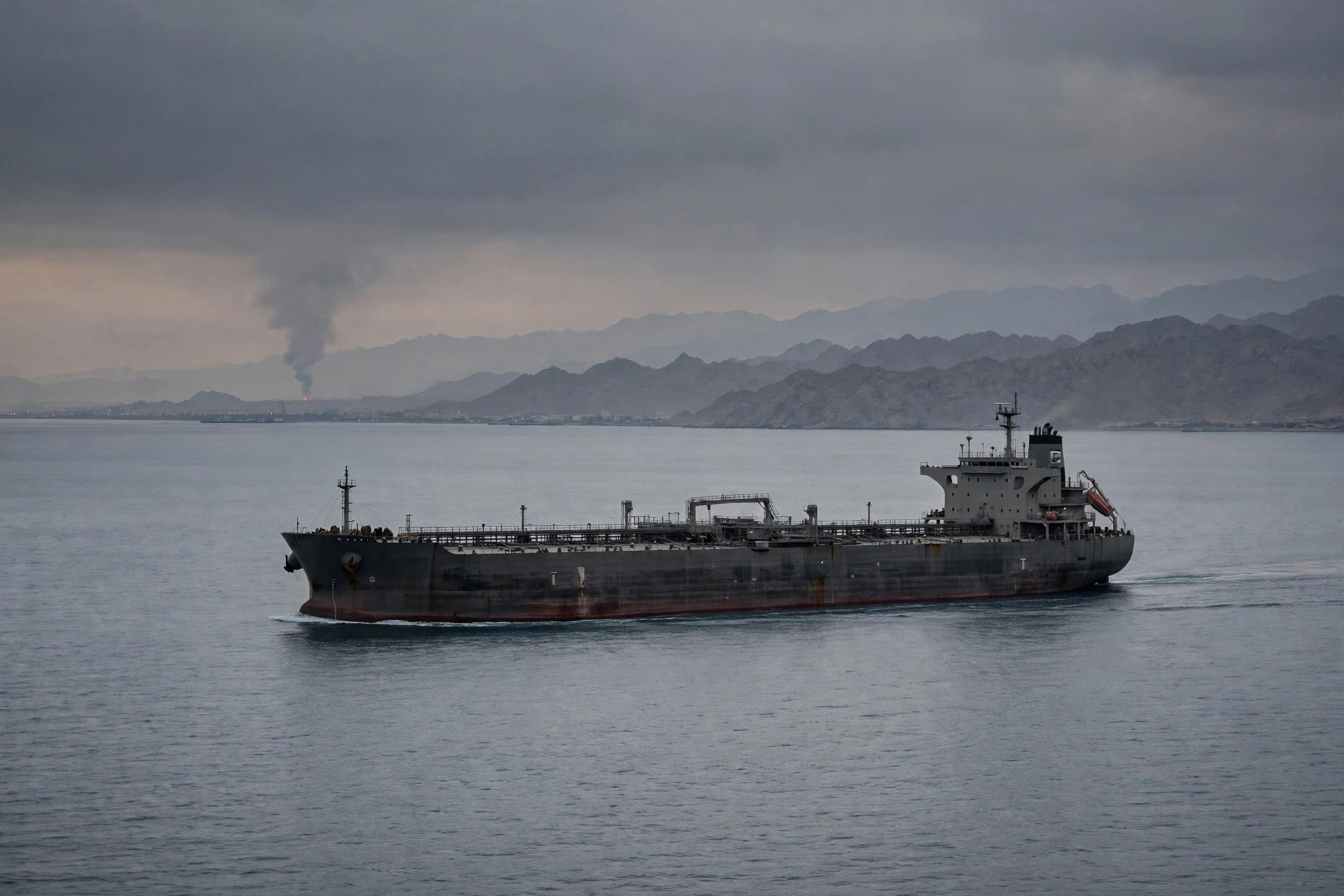
The day’s most alarming development came on the water. Iran’s Revolutionary Guards Navy said on Friday that a liquefied petroleum gas tanker had struck a mine and exploded while trying to sail through the eastern Strait of Hormuz, after ignoring repeated warnings. The claim could not be independently verified.
Then on Saturday morning, Iran’s navy said a further oil tanker had caught fire after hitting a naval mine in the eastern part of the strait. No details of the vessel or crew were released, and the incident has not been independently confirmed.
The United Nations’ International Maritime Organization said 25 seafarers had died and many others were injured or remained missing following about 134 incidents in the Strait of Hormuz and the wider Middle East maritime area as of November 11.
Iran warns of ‘decisive response’
At the United Nations Security Council on Friday, Iran’s deputy ambassador, Gholamhossein Darzi, warned that any renewed war by the United States and Israel “will be met with an immediate and decisive response, without hesitation,” directed against the source of aggression, wherever it may be.
Darzi added that US threats during “good faith” negotiations had created “profound distrust” about renewed talks without credible guarantees. Separately, Tehran told the UN nuclear watchdog that discussions on resuming nuclear monitoring cannot proceed while the country faces military threats.
Oil markets steady
Despite the fresh incidents, oil prices eased. Brent crude settled at $95.84 a barrel on Friday, Reuters reported, while US West Texas Intermediate closed at $88.56. Both benchmarks fell about 2.5 per cent during the week, and the International Energy Agency’s latest assessment pointed towards a growing global oil surplus.
The question now is whether the pause in American strikes holds. Rubio’s message was that sanctions and the blockade are doing the work — but with tankers still burning in Hormuz, the shipping lanes remain on edge.