

NEW YORK — Saturday, November 14, 2026: Pakistan used a United Nations Security Council debate on Thursday to condemn Houthi attacks on Saudi Arabia in the strongest terms and demand their immediate and unconditional end, as the council unanimously renewed its Yemen sanctions regime for another year.
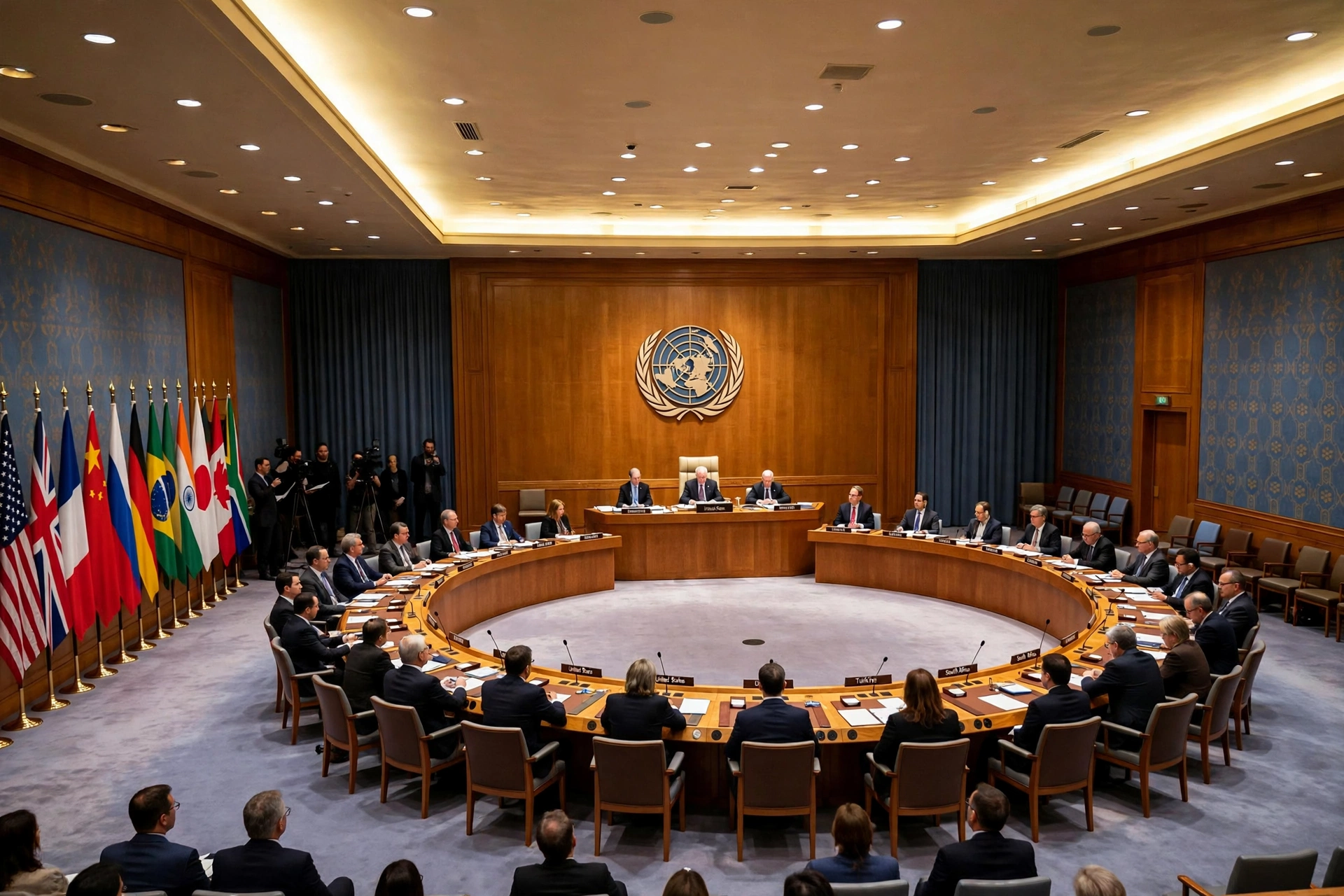
Pakistan’s Permanent Representative to the UN, Ambassador Syed Haider Shah, told the council that Islamabad stood in “full and unwavering solidarity” with the Saudi leadership, government and people, and that its support for the kingdom’s sovereignty, territorial integrity, security and stability was “resolute”.
“We demand an immediate and unconditional cessation of these reprehensible Houthi attacks,” the envoy said, according to a statement from Pakistan’s Permanent Mission to the UN. He added that Saudi Arabia had a legitimate right to defend its territory and protect its citizens and residents in accordance with the UN Charter and international law.
Sanctions renewed until 2027
The debate followed the council’s consensus adoption of Resolution 2837 (2026), which renews the targeted sanctions first imposed under Resolution 2140 in 2014. The measure extends an asset freeze and travel ban on individuals and entities threatening peace and stability in Yemen until November 14, 2027, and renews the mandate of the Panel of Experts monitoring the sanctions until December 15, 2027.
The resolution strongly condemned the Houthis’ renewed military escalation inside Yemen, their cross-border attacks against Saudi Arabia and their threats to commercial shipping, and demanded that the group halt its offensive, stop attacking the kingdom and end threats to shipping. It also reaffirmed the arms embargo imposed under Resolution 2216 in April 2015, which has no specified expiry date.
Diplomats said the text stopped short of labelling the Houthis a terrorist organisation, after pushback from Russia. Britain, which holds the pen on Yemen at the council, steered the negotiations.
Choking the drone supply chain
A central aim of the renewed measures is to cut off the parts and chemicals the Houthis use to build drones and missiles at home. The resolution tasks council members with deciding by January 11 what steps to take to block the group from acquiring specified dual-use components and precursor chemicals, based on a list drawn up by the expert panel.
Pakistan backed stronger international action against the group, but also stressed that the conflict required a political settlement — a Yemeni-led process that respected Yemen’s sovereignty, independence, unity and territorial integrity.
A deepening defence partnership
Islamabad’s firm backing reflects defence ties that have deepened sharply in the past year. Pakistan and Saudi Arabia signed a bilateral defence agreement in September 2025, and in August 2026 the two countries joined Türkiye in signing the Makkah Joint Defence Agreement, a trilateral security arrangement.
The attacks behind the debate
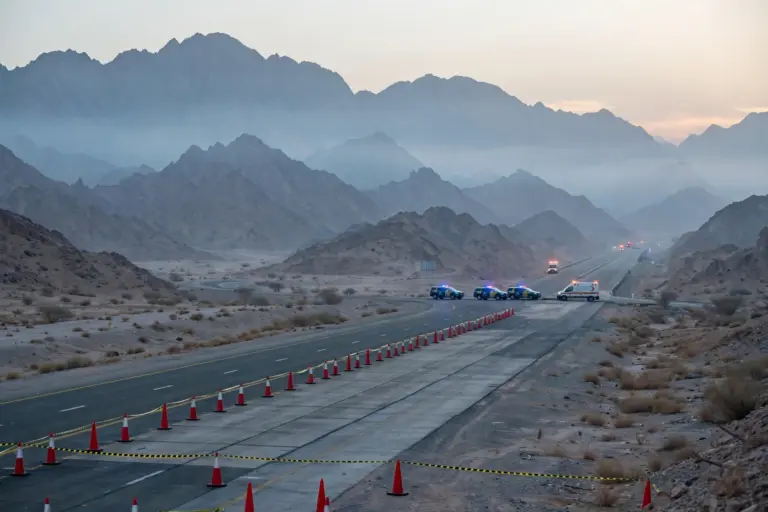
The council acted a day after the Saudi-led coalition said it had intercepted and destroyed two Houthi drones, one over the Riyadh region and one over the Eastern Province. On Friday, the Houthis claimed fresh drone strikes on King Khalid International Airport in Riyadh and on Pumping Station No. 3 on the East-West oil pipeline, along with ballistic missile attacks on Saudi forces in Jazan. Those claims could not be independently verified, and Saudi authorities had not commented on them.