


CAMBRIDGE, October 27, 2026 — Oman has proposed a non-aggression pact bringing together all eight states bordering the Gulf, including Iran and Iraq, in a sweeping regional security proposal.
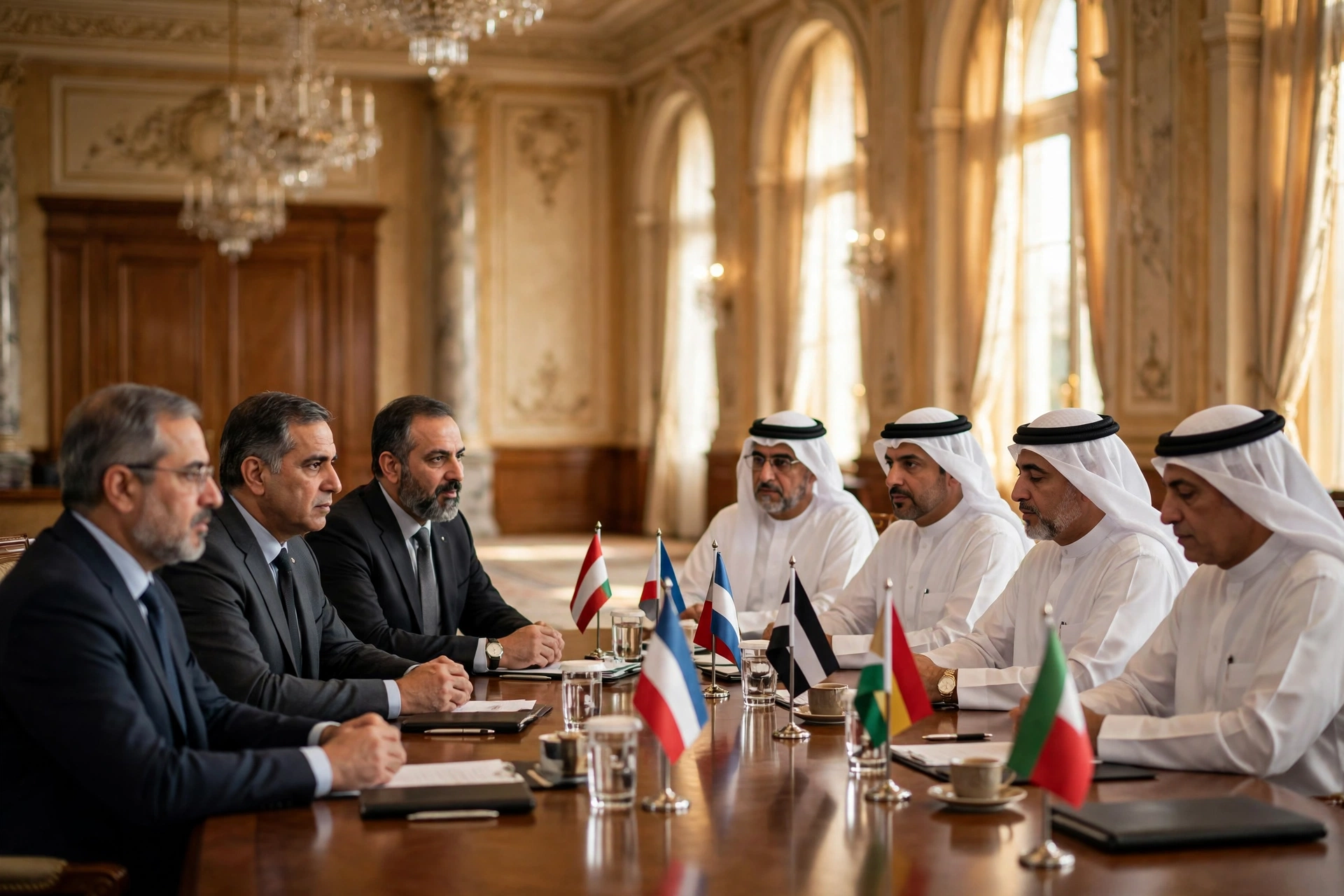
Omani Foreign Minister Sayyid Badr bin Hamad Al Busaidi unveiled the proposal on Monday during a lecture on Gulf security at Girton College, University of Cambridge, calling on the region’s states to take collective responsibility for their own security.
“It’s not a matter of whether you’re friendly or hostile to Iran,” Al Busaidi said, according to Oman’s Foreign Ministry. “A Non-Aggression Pact between all eight states should be the goal.”
He warned that any security framework that leaves Tehran out is doomed to fail, describing such an arrangement as “inherently unstable” and “structurally unsound”. The eight states he named are the six members of the Gulf Cooperation Council — Bahrain, Kuwait, Oman, Qatar, Saudi Arabia and the United Arab Emirates — together with Iraq and Iran.
Under his vision, the United States would no longer serve as the region’s primary security provider; partnerships with foreign powers would shift toward economic cooperation and investment rather than military guarantees.
Why now: a region on edge
The speech landed on the same day that senior officials from Saudi Arabia, Turkey and Pakistan travelled to Tehran for talks with Iran’s leadership, in a bid to head off a fresh round of fighting between the United States and Iran. Tehran later described those talks as “very good”, though no concrete announcement followed.
Al Busaidi argued that Washington’s decades-long insistence on casting Iran as the region’s central threat has held the Gulf back from solving its own problems, making disputes over Iran’s nuclear programme and freedom of navigation through the Strait of Hormuz harder to resolve.
A precedent from 1976
The minister recalled a meeting in Muscat in November 1976 at which the foreign ministers of all eight Gulf littoral states discussed collective security. Reviving the spirit of that initiative, he said, could open the way to a more inclusive regional order built on dialogue and mutual trust.
Hormuz and the nuclear talks
Al Busaidi also shed light on Oman’s own quiet diplomacy, saying that prewar talks between the United States and Iran over Tehran’s nuclear programme had made “significant progress” and that the basic components of an agreement still exist if both sides choose to return to the table.
Oman and Iran have also discussed a temporary arrangement to restore free navigation through the Strait of Hormuz, the minister said, though political obstacles remain and any deal would need compromise from both Iran and the United States. Iran has so far refused to ease its restrictions on transit through the waterway, saying it will be fully reopened once the United States permanently ends its military pressure and lifts its maritime blockade and sanctions, according to Iranian state media reports.
A proposal, not yet a pact
For now, the Omani plan remains a proposal, not an agreement: no other Gulf capital has publicly endorsed it, and there is no timetable for talks among the eight states. Its significance lies in who made it and when — Oman, the region’s traditional mediator, arguing publicly that lasting calm requires bringing Iran inside the tent rather than building a security order against it.

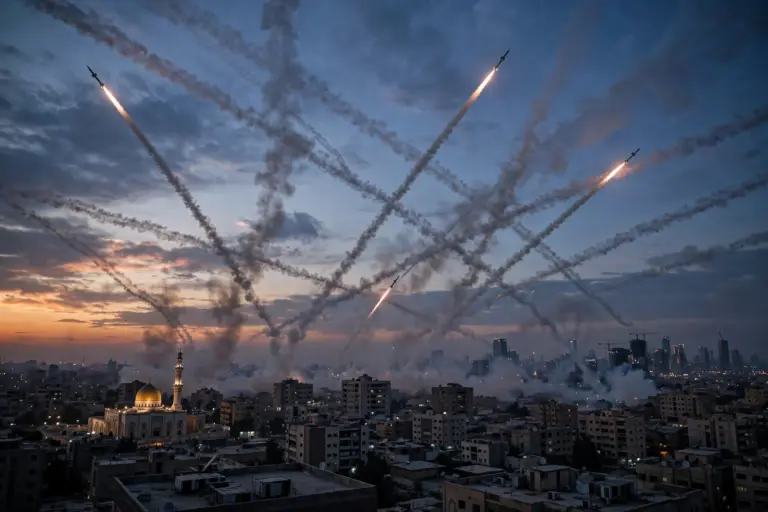

[…] Diplomatic efforts to resolve the wider crisis remain deadlocked since the collapse of a June deal that had laid out a pathway to a permanent settlement. The war began in late February with US-Israeli attacks on Iran; an April ceasefire ended the intense bombardment, but the two sides still contest the Strait of Hormuz. Oman added its own proposal on Monday, with Foreign Minister Badr Albusaidi calling at Cambridge for a non-aggression pact among all eight Gulf littoral states, including Iran. […]