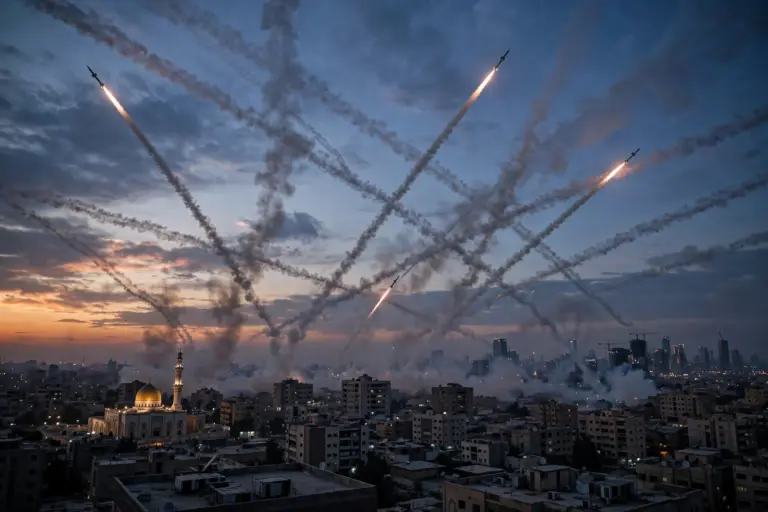


AMMAN, October 27, 2026 — Jordanian fighter jets struck targets in southern Syria late on Monday in retaliation for a deadly attack on a church funeral in Jordan last week, in an operation that has opened a rare public rift between Amman and Damascus over civilian casualties and whether the raids were coordinated at all.
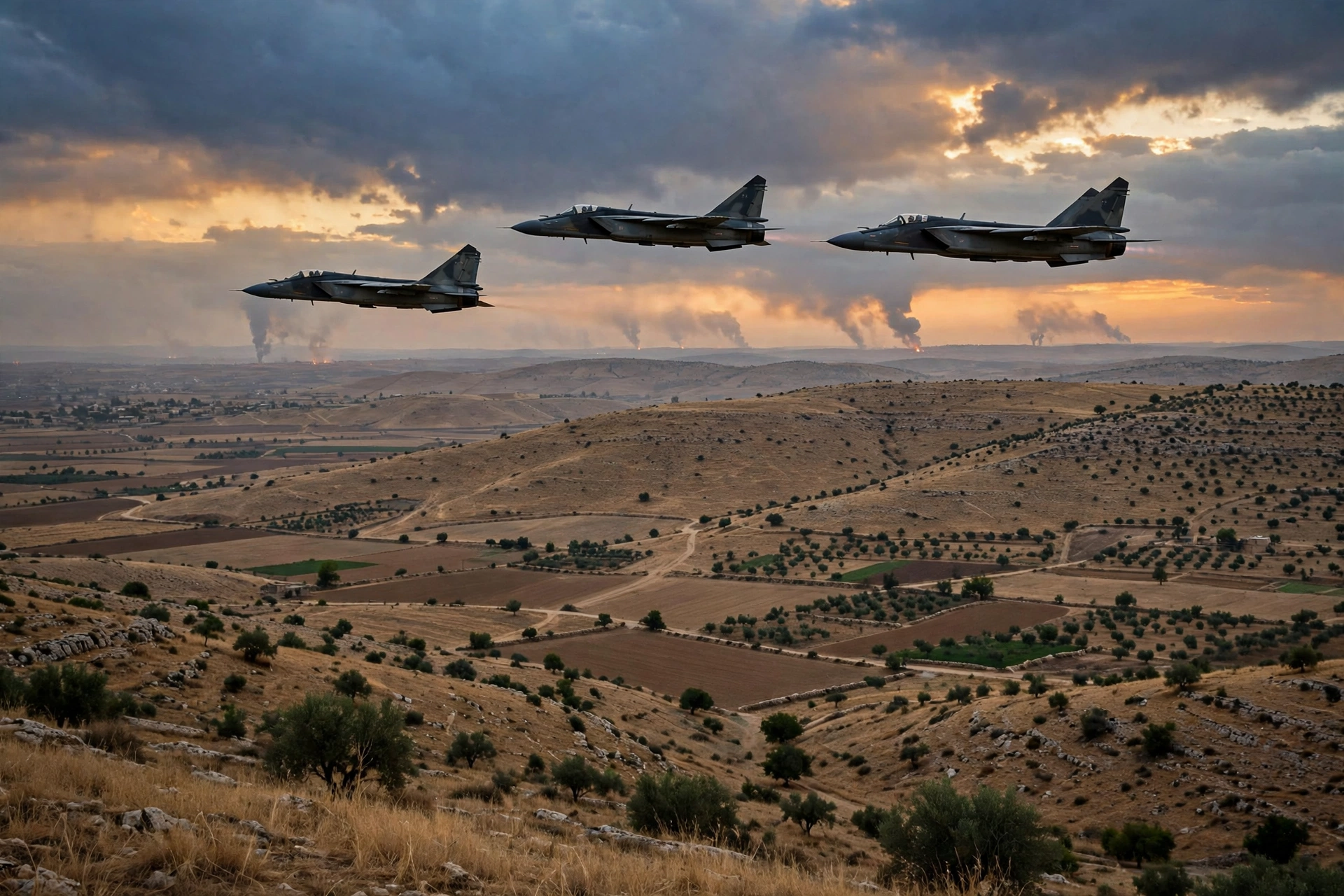
The Jordanian Armed Forces said its warplanes destroyed what it called “dens of terrorist organisations” in southern Syria, along with vehicles belonging to the groups, killing and wounding members of the organisations it blames for Friday’s attack on mourners at Hamoud Church in the southern governorate of Karak, which killed nine people.
Jordan says strikes targeted Daesh, killing more than 20 militants
Jordan’s Government Communication Minister, Mohammed al-Momani, said on Tuesday that the air force had targeted Daesh in Syria and killed more than 20 of the group’s militants in the strikes on southern Syria on Monday night. He said the attacks were conducted in coordination with Damascus and had avoided known civilian areas.
Al-Momani said Jordan regretted civilian casualties in Syria and was following up with Syrian authorities.
The Jordanian military said the operation was aimed at groups linked to the suspects behind the Karak church attack. It did not name the organisations in its initial statement, specify the precise locations struck, or provide its own casualty figures. The operation was named “Jordanian Deterrence – Hmoud”, according to regional reports.
Damascus disputes coordination, reports civilian deaths
Syria’s government gave a contradictory account. The Syrian Arab News Agency (SANA) reported strikes on several locations in Daraa province, and said the strikes were carried out without prior coordination with the Syrian government. Damascus said it had launched an investigation and that contacts with Jordan were ongoing.
Syrian accounts put the civilian death toll at between five and eight, including women and children. Daraa’s provincial health director told SANA that civilians were caught in strikes on several sites in the province’s countryside, and that two injured people from Muzayrib in the western countryside were taken to Tafas National Hospital. Syria’s foreign ministry informed Jordan of its “complete reservation” over strikes carried out without prior coordination.
Damascus also closed the Nassib border crossing, Jordan’s only functional commercial gateway to Syria, in a further sign of the diplomatic fallout.
From a church funeral to a cross-border crisis
The strikes followed one of the deadliest attacks on a Christian gathering in Jordan in recent years. Gunmen opened fire on Friday during a funeral at Hamoud Church in Karak, killing nine mourners. ISIL later claimed responsibility for the attack, according to Al Jazeera. Jordanian security forces arrested three suspects on Monday after a dawn shootout in Karak, state media reported.
Jordan said its military had determined that the suspects behind the church attack were linked to groups operating across the border in southern Syria. Damascus, however, stressed the need for joint security and field coordination on any operations affecting border areas, in order to safeguard Syria’s sovereignty and both countries’ security.
What happens next
The dispute now turns on two unresolved questions: whether the strikes were coordinated in advance, and how many civilians were killed. Jordan says it is following up with Syrian authorities, while Damascus is pressing for a joint coordination mechanism before any further cross-border action.