


TEHRAN, 27 October 2026 — Senior officials from Saudi Arabia, Turkey and Pakistan held talks with Iran’s leaders in Tehran on Monday in an attempt to stop the eight-month Middle East war from reigniting, with Tehran describing the discussions as “very good” but no concrete announcement emerging from the meeting.
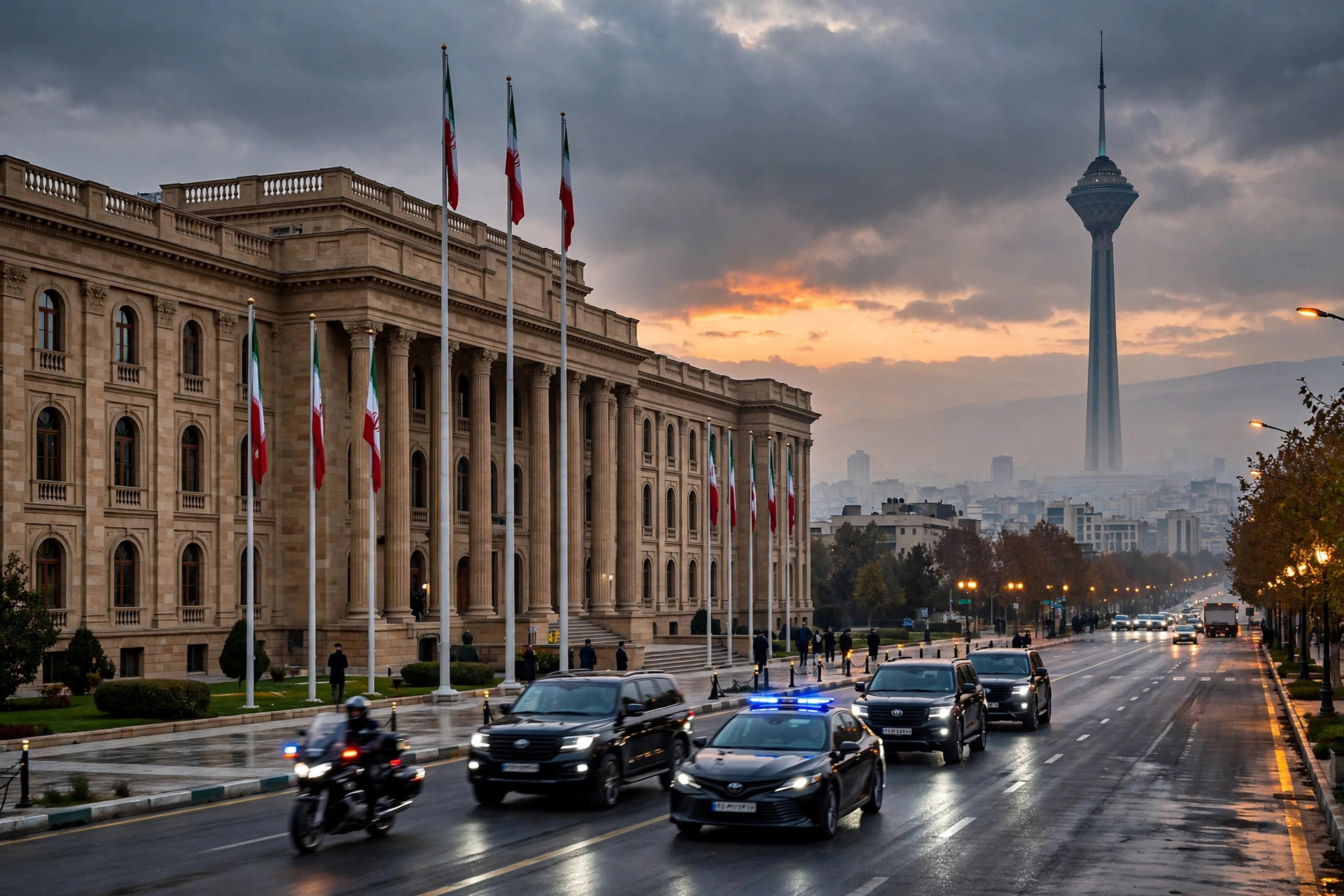
The delegations met Iranian President Masoud Pezeshkian and Foreign Minister Abbas Araghchi, Iranian state media reported, as part of efforts to de-escalate what a Saudi foreign ministry statement called “the current crisis”. Security chief Mohsen Rezaei later told state television the talks had gone well.
“I feel that a new atmosphere is emerging in the region… I sensed a very positive atmosphere in the discussions among the gentlemen,” Rezaei said. The parties agreed to continue discussions, Iranian state media reported, without announcing any deal.
First joint visit since the Mecca pact
It was the first joint trip to Tehran by the three countries since they formed a defence alliance in Mecca in August, under which an armed attack on one member is considered an attack on all.
Saudi Arabia was represented by Defence Minister Prince Khalid bin Salman, Pakistan by army chief General Asim Munir and Turkey by intelligence chief Ibrahim Kalin. Ali Bagheri Kani, deputy secretary of Iran’s Supreme National Security Council, said the meeting had been requested by Pakistan.
State media said the talks focused on “regional cooperation, the US-Israeli aggression against Iran and its consequences”. President Pezeshkian urged Islamic countries to stand together and adopt a coordinated position, according to a statement on the presidential website.
No breakthrough yet — and talks to continue
For all the warm language, the meeting ended without a published communique, a ceasefire proposal or any timetable for further rounds. Trade sources said the value of the talks lay less in any announcement than in the fact that the three Mecca pact capitals and Tehran were talking directly at all.
Diplomatic efforts to resolve the wider crisis remain deadlocked since the collapse of a June deal that had laid out a pathway to a permanent settlement. The war began in late February with US-Israeli attacks on Iran; an April ceasefire ended the intense bombardment, but the two sides still contest the Strait of Hormuz. Oman added its own proposal on Monday, with Foreign Minister Badr Albusaidi calling at Cambridge for a non-aggression pact among all eight Gulf littoral states, including Iran.
Overnight strikes underline the stakes
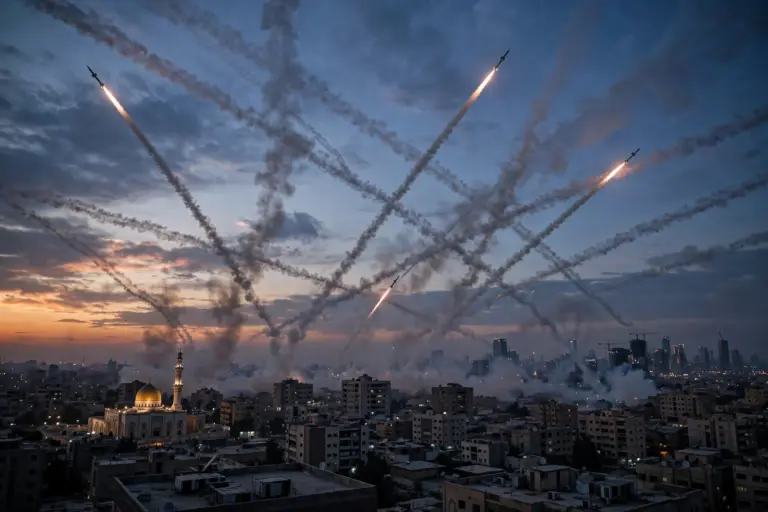
Hours after the Tehran talks, the urgency of the diplomacy was underlined overnight. The Saudi-led coalition said early on Tuesday it had intercepted and destroyed three Houthi ballistic missiles aimed at the kingdom’s Eastern Region and four drones aimed at the Southern Region, coalition spokesman Major General Turki Al-Malki said.
Saudi Civil Defence issued early-warning alerts for the Eastern Region and Kharj governorate, urging residents not to film interception attempts, before later saying the danger had passed. The renewed fighting has shattered a 2022 UN-brokered truce that had largely halted attacks between the coalition and the Houthis, who control Sanaa.
Whether the Tehran channel can now produce something more concrete is the question diplomats across the Gulf will be watching. For now, state media reported, the discussions will continue.


[…] strikes came as diplomacy continued in parallel: senior officials from Saudi Arabia, Turkey and Pakistan met Iran’s leadership in Tehran on Mon… in the first joint visit since the three countries formed their defence alliance in Mecca in […]
[…] speech landed on the same day that senior officials from Saudi Arabia, Turkey and Pakistan travelled to Tehran for talks with Iran̵…, in a bid to head off a fresh round of fighting between the United States and Iran. Tehran later […]