

TEHRAN — Saturday, November 7, 2026 — Iran’s Revolutionary Guard said on Saturday it has lifted the self-imposed 2,000-kilometre limit on the range of its ballistic missiles, a move that deepens fears of a renewed all-out war with the United States and Israel.
The announcement came a day after American forces carried out limited strikes on Iranian air defences near the Strait of Hormuz, and days after Iran’s supreme leader warned that any threat from Washington or Tel Aviv would be met with a response without geographic limits.
A limit lifted, but no new missile shown
Speaking at a press conference in Tehran, the spokesman of Iran’s paramilitary Revolutionary Guard, General Hossein Mohebbi, was asked about the long-standing restriction on missile ranges.
“That restriction has been lifted for us,” he said, according to the Associated Press.
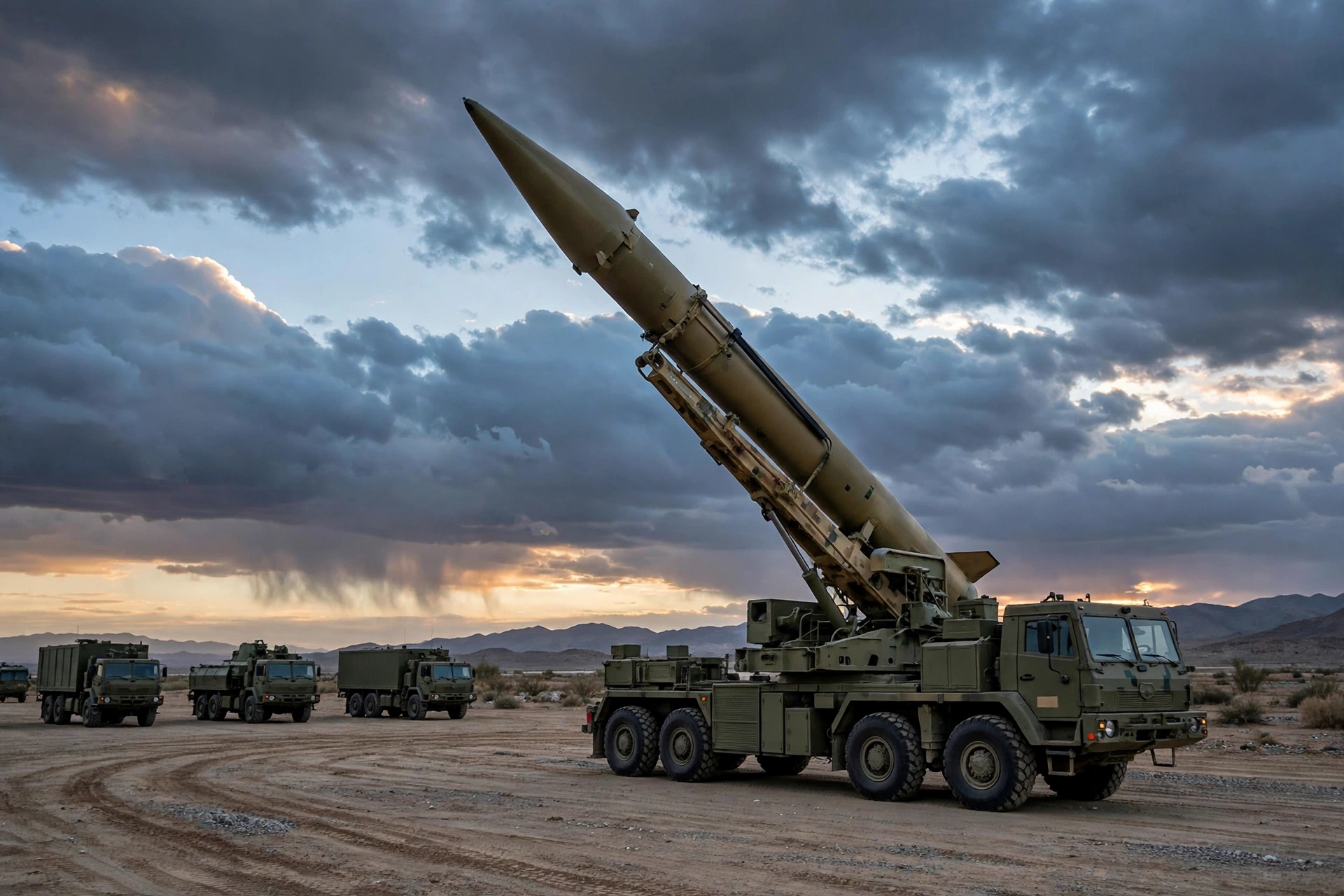
General Mohebbi did not say whether Iran already possesses missiles capable of travelling beyond 2,000 kilometres, telling reporters that Tehran would “demonstrate these capabilities in practice” rather than make statements about them.
The comments followed a warning days earlier by Iran’s supreme leader, Ayatollah Mojtaba Khomeini, that “any kind and level of threat” from the United States or Israel would face a response without geographic limits.
What the 2,000-kilometre range covers
Iran is not known to have ballistic missiles capable of travelling beyond the 2,000-kilometre (1,200-mile) limit, state media reported, although United States officials have said technology from Iran’s space programme could be repurposed to build intercontinental ballistic missiles.
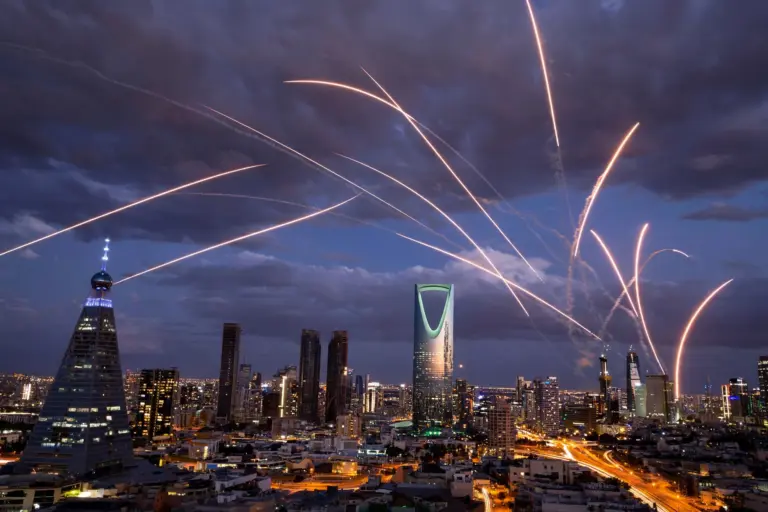
The existing range already puts the entire Arabian Peninsula, the Levant, most of Egypt and parts of Greece and the Balkans within reach of Iran’s missiles, according to defence analysts.
In March, Iran reportedly tried and failed to strike the joint US-British base at Diego Garcia in the Indian Ocean, some 4,000 kilometres from the Islamic Republic, the Times of Israel reported.
Tensions after Friday’s US strikes
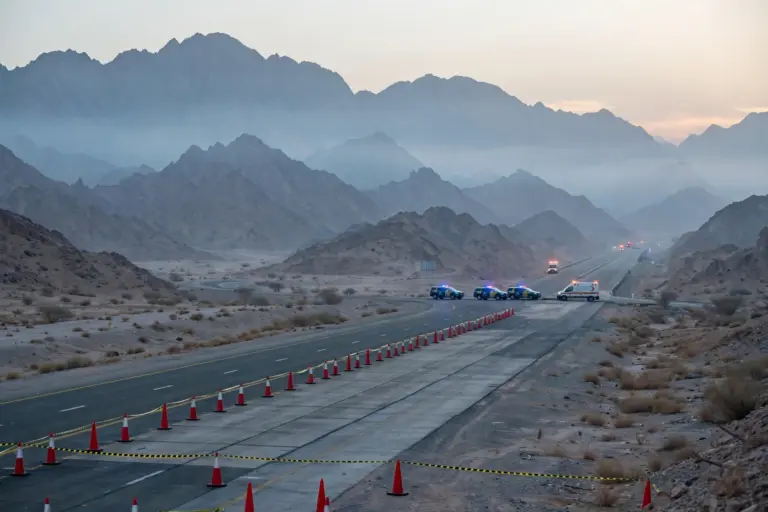
The announcement comes at a moment of acute tension in the Gulf. On Friday, President Donald Trump said American forces had carried out new limited strikes on an Iranian air defence system, while Iranian state media reported two missiles hitting Qeshm Island in the Strait of Hormuz. No casualties were reported.
Mr Trump has called the action “minor”, while reports in Washington say he is weighing wider military action against Iran as soon as November 9. Qatar’s prime minister has urged Washington and Tehran not to wait for a “perfect moment” to reach a deal.
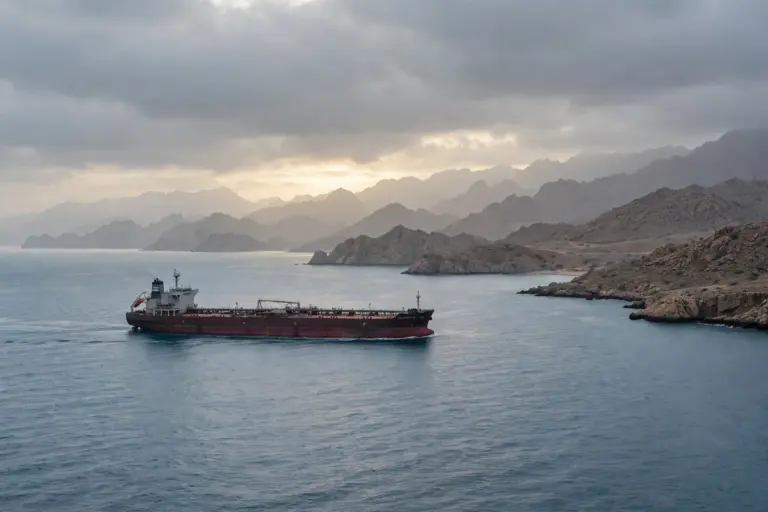
The Iranian military also said on Saturday that a tanker east of the Strait of Hormuz had hit a naval mine and caught fire, without identifying the vessel, which it said had turned off its navigational beacon and was sailing in a “prohibited area”, the Associated Press reported.
Gulf on edge
Across the Gulf, governments and airlines remain on alert. The United States mission to the United Arab Emirates has urged American citizens in the region to stay vigilant, while UAE airlines continue to adjust flights to Saudi Arabia, with some services suspended through November 19.
For now, the announcement changes little on the battlefield — Tehran has shown no missile that flies beyond 2,000 kilometres. But as a signal of intent, with diplomacy stalled and strikes already under way, it has put the region’s capitals, and Washington, on notice.