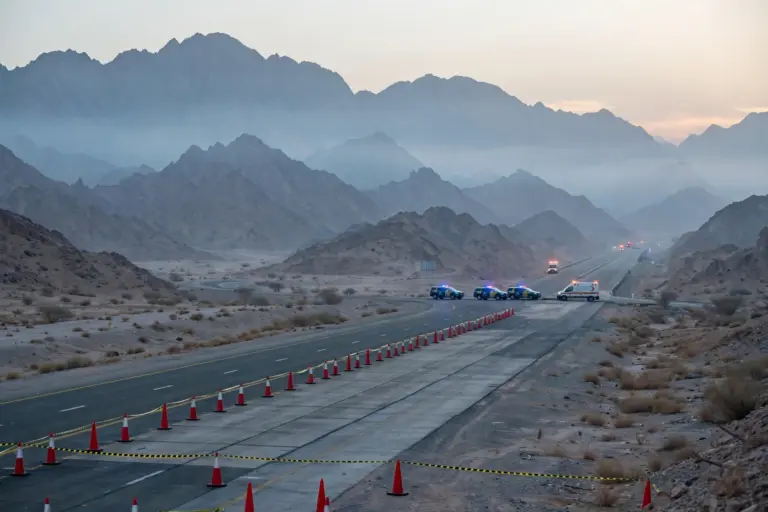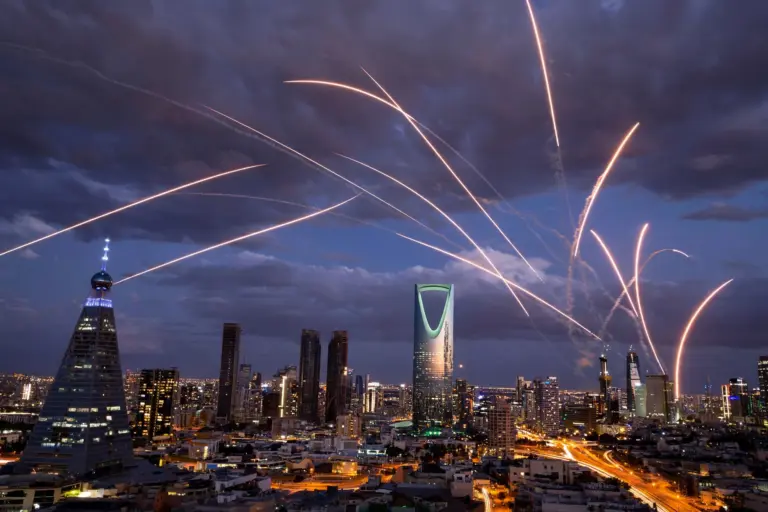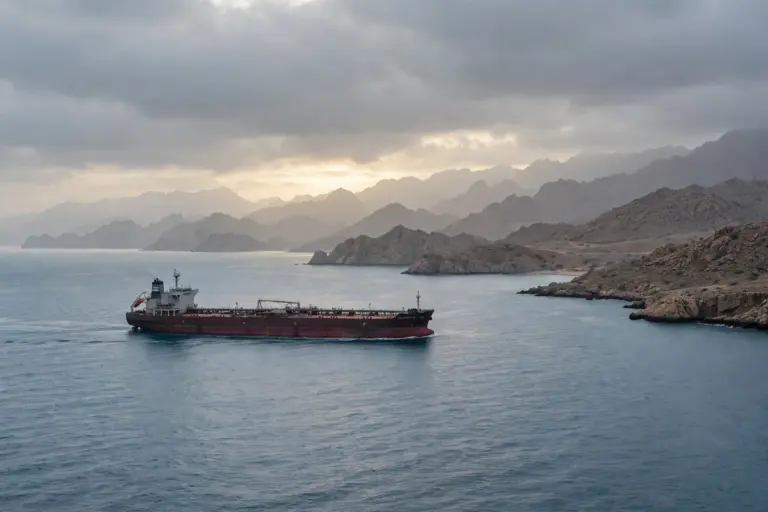


WASHINGTON, Monday, November 9, 2026 — United States President Donald Trump said on Sunday that fresh American strikes on Iran are “highly unlikely” as long as negotiations to end the conflict keep making progress, even as both sides have reported fresh attacks on shipping and energy infrastructure across the region.
“It depends on whether or not they sign a very strong agreement,” Trump told CNN in a 20-minute telephone interview, repeating the assessment five times. “The answer is highly unlikely it’s going to be necessary.”
The remarks marked a sharp softening in tone from a president who had hinted in recent weeks at renewing attacks after last week’s midterm elections, with American media reports suggesting hostilities could resume once the vote was over. There has been no sign so far of a large-scale United States military operation, according to reports.
A warning kept on the table
Trump made clear the military option has not gone away. He told CNN that if strikes resume, American forces have identified potential targets including 38 bridges “that we can knock down in literally one hour,” and said he would order fresh attacks if necessary.
“They’re a failing nation,” the president said of Iran, adding that he had hit Tehran hard in the earlier rounds of fighting. “I would if necessary, but we hit them really hard. I hit them so hard. You don’t know how hard I hit them.”
Iran’s foreign minister, Abbas Araghchi, said there had been no progress in the talks and that Tehran was waiting to see whether the American position changes after what he called the midterm “shock.” He warned that Iranian forces would “rain down hell” if attacks resume.
Blockade in full force
Later on Sunday, Trump posted on Truth Social that “Task Force Iron Gate is in full force and effect” on Iran. The campaign, first reported by Reuters on Saturday, will crack down on Tehran’s movement of advanced weapons and other sanctioned material over its land borders and through the Caspian Sea, extending a blockade that had previously focused on the sea.
Iran has submitted a nuclear proposal to Washington through Qatar, a senior Iranian official told Reuters on Thursday, saying the United States was reviewing it but that discussions would depend on Washington first meeting Tehran’s seven demands. Qatar, which has mediated the negotiations, on Saturday denied reports that the two sides had failed to reach a deal.
Drone attack blacks out Iraqi Kurdistan
Hours before Trump’s interview, a drone struck the Khor Mor gas field in Iraq’s northern Kurdish region, halting production and cutting power across the area. The region’s electricity ministry said the attack knocked out nearly 2.8 gigawatts of generation, with more than 70 percent of the Kurdish region left without power.
Sources said a single drone hit a liquefied petroleum gas storage tank at the field in Sulaimaniyah governorate, starting a fire that was still burning hours later. Gas supplies to power stations in Erbil, Sulaimaniyah, Bazian, Chamchamal and Duhok were halted, and the ministry said it was running hydroelectric stations at the Dokan and Darbandikhan dams and plants that can burn other fuels to keep hospitals and water stations running.
Iraq’s prime minister, Ali al-Zaidi, said an initial assessment found no casualties from the attack. No group has claimed responsibility for it. Khor Mor, operated by the Pearl Petroleum consortium led by the United Arab Emirates’ Dana Gas, is one of the largest gas fields in northern Iraq and the main source of fuel for the region’s power plants.
Oil markets breathe
Oil prices fell at Monday’s open after Trump’s remarks, with Brent crude down 84 cents to $97.48 a barrel and West Texas Intermediate down 32 cents to $90.51, according to market data.
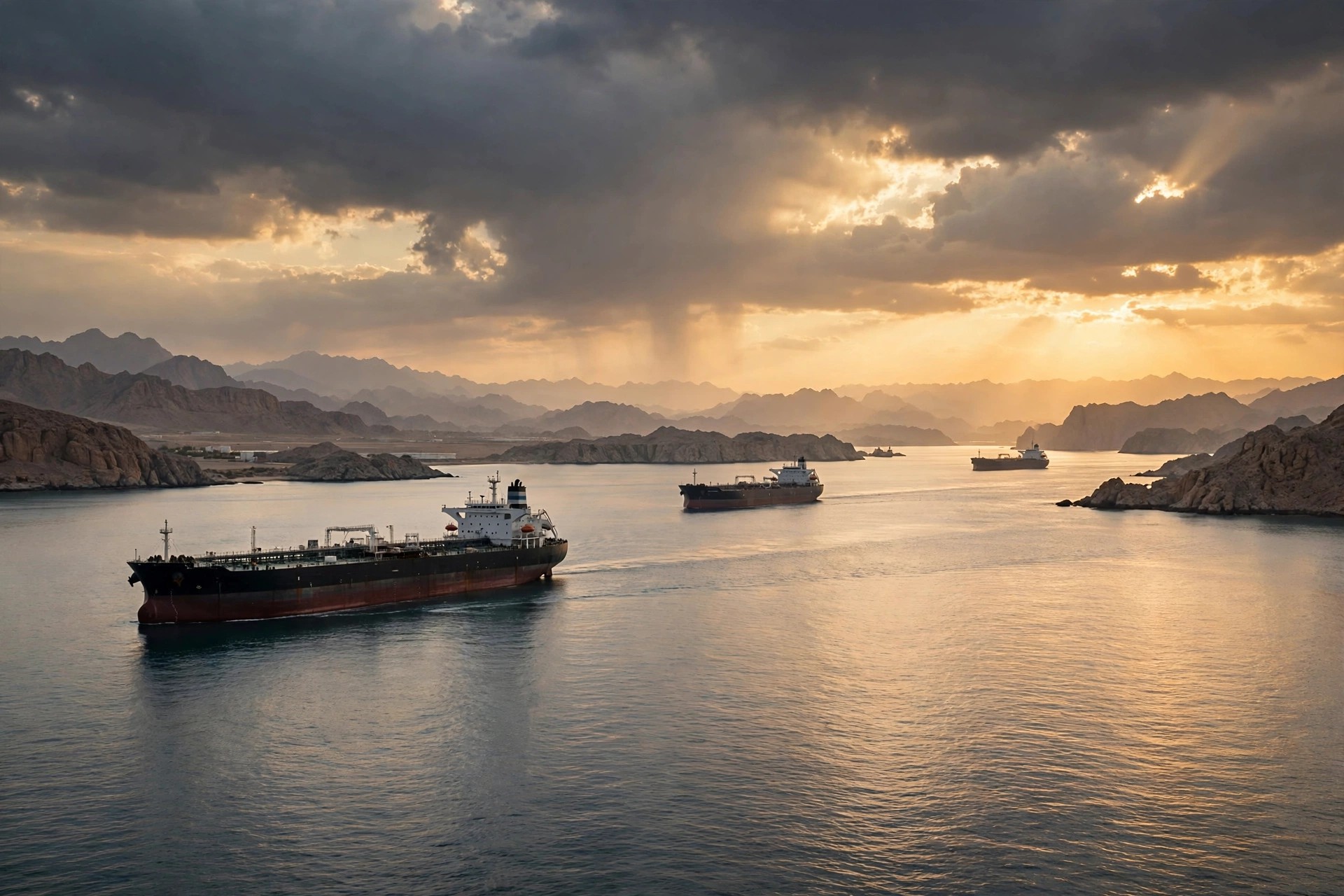
Both countries have continued strikes on vessels in and near the Strait of Hormuz, restricting exports of energy and other commodities vital to the world economy. Iran’s state television said officials had not confirmed any missile strikes on Iranian territory after blasts were heard in several areas, including on Qeshm Island in the strait, while the Revolutionary Guards Navy said two oil tankers had caught fire after hitting mines while trying to pass through what it called an “unauthorized route.”
Iraq reached an understanding with the United States on Sunday to allow Iraqi oil exports through the Strait of Hormuz via a shipping lane near Oman, Foreign Minister Fuad Hussein said in an interview with Al Jazeera, in a rare sign of movement on the waterway at the centre of the conflict.