


RIYADH — October 25, 2026. Riyadh’s King Khalid International Airport resumed flight operations on Sunday after a two-week closure brought on by repeated Houthi strikes on the Saudi capital, reopening its terminals even as the Yemeni group warned airlines that the airport remains a target.
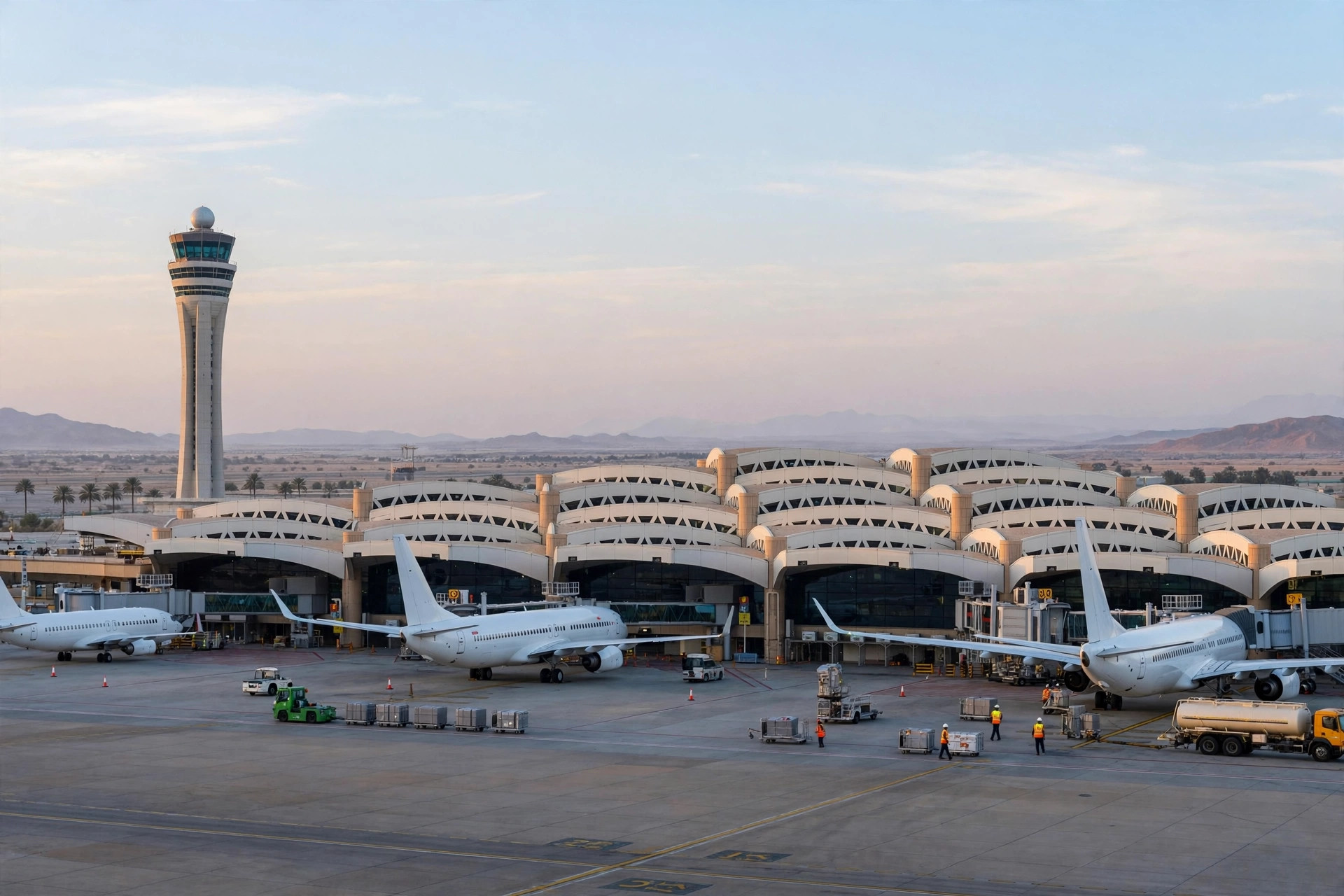
The airport announced the resumption on Saturday in a passenger notice posted on X, saying Terminal 1 would handle domestic flights and Terminal 2 international flights operated by national carriers, effective Sunday, October 25, 2026. Flight-tracking data showed a plane departing Riyadh early on Sunday bound for Jeddah, the first sign of movement after days of silence on the runways.
Flights resume — with a warning
The reopening was overshadowed by a warning from the Houthis. Military spokesman Yahya Saree said the airport was still “unsafe” and a “military target”, urging airlines, staff and travellers not to use it. “The Saudi regime shall bear the consequences of any operations at the airport,” he said.
Explosions were heard across the Saudi capital on Sunday morning, and the Saudi-led coalition said early on Sunday that it had shot down two drones in the Riyadh area. There were no immediate reports of damage from the incidents, and the airport did not announce any fresh suspension.
Missile fragments near the holy cities
The reopening followed a Saturday in western Saudi Arabia. The General Directorate of Civil Defence said fragments from two intercepted ballistic missiles had fallen in the Mecca and Medina regions, including Wadi Mughamas outside Mecca, the Al-Nuzha neighbourhood in Jeddah, Wadi Jalil in Taif and an uninhabited area in Rabigh. The agency, which operates under the Interior Ministry, had earlier warned residents in four western provinces of a potential threat and urged them to move to the nearest safe location.
The Houthis claimed they had targeted King Khalid Airport in Riyadh, as well as airports in Dammam and Najran, the Khamis Mushait air base, Aramco facilities in Yanbu, the Rabigh refinery and the East-West crude oil pipeline. The group denied targeting Mecca or Medina, calling the Saudi account of the falling fragments a “huge lie”. The two cities are Islam’s holiest sites, and any suggestion they were targeted carries particular sensitivity across the Muslim world.
Two weeks of disruption
The airport has been closed for about two weeks following waves of Houthi strikes on Riyadh, including an attack earlier this month that killed 13 people and wounded more than 300 — the deadliest strike on the kingdom in more than a decade. Saudi Arabia and the internationally recognised Yemeni government it backs have faced sustained Houthi attacks since a years-long truce broke down in the summer.
Airlines have responded cautiously. Air India and Air India Express have suspended Riyadh and Dammam flights until November 7 and Jeddah flights until October 31, according to notices reported over the weekend, while other carriers are restoring services gradually and checking conditions day by day.
What travellers should do
The airport advised passengers with confirmed bookings to contact their airlines to verify the status of their flights before heading to the terminal, and to allow extra time, as schedules remain subject to change at short notice.
Whether the reopening holds will depend on the days ahead. For now, Riyadh’s runways are busy again — under a warning that the danger has not passed.



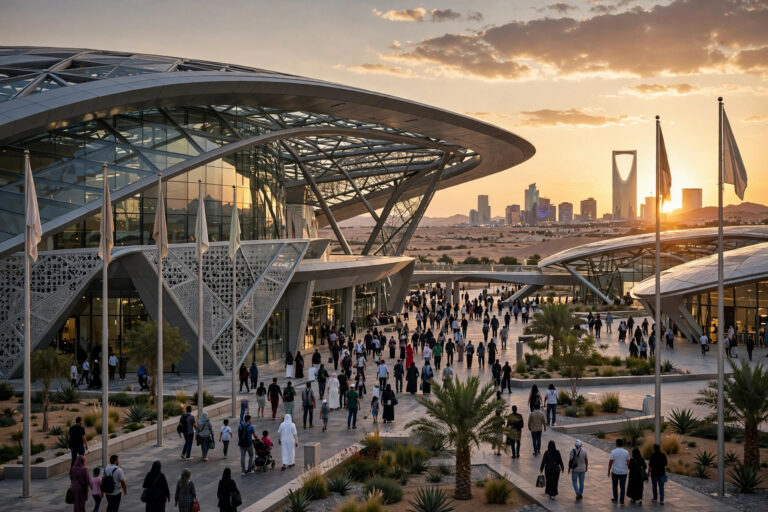
[…] strike on Riyadh’s King Khalid International Airport on Sunday, just hours after Saudi Arabia partially reopened the airport following a two-week closure, vowing the facility would “never be safe” for airlines […]
[…] barrage came on the very day King Khalid International Airport resumed flights after a two-week closure, underscoring how quickly the kingdom’s fragile return to normal air […]