

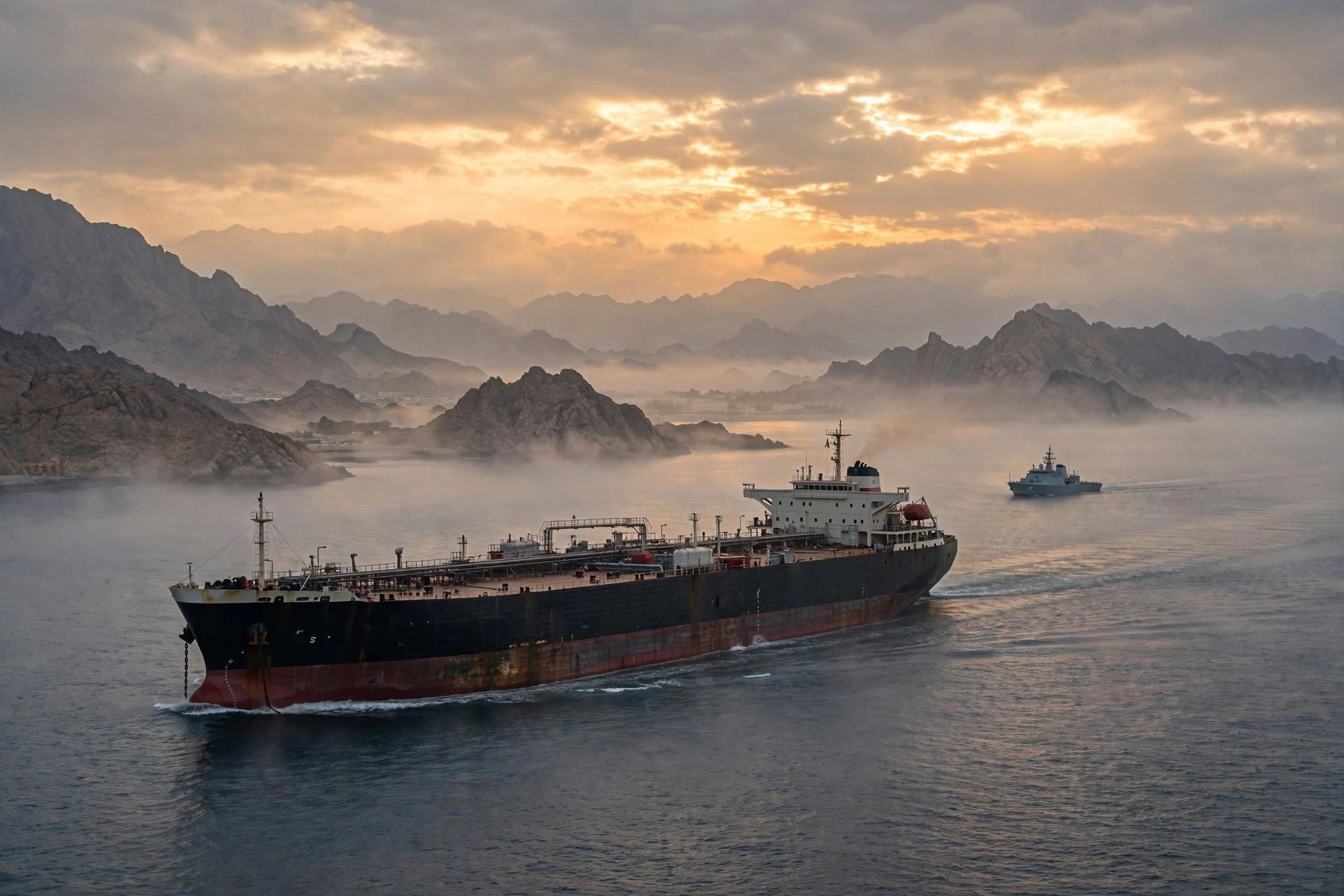
BAGHDAD, October 18, 2026 — Iran has handed the United States a concrete seven-day plan to reopen the Strait of Hormuz, the world’s most important oil artery, with Tehran insisting the decision now rests with Washington, Foreign Minister Abbas Araghchi said on Saturday.
Addressing the 52nd meeting of the Organization of Islamic Cooperation’s Council of Foreign Ministers in Baghdad, Araghchi said the proposal had been conveyed through Qatar and that, if the necessary conditions were met, normal shipping traffic could be restored within a week.
“Through Qatar, we have conveyed a specific plan for seven days,” the minister said, according to Iranian state media. “The decision now rests with the United States.”
Ready for Dialogue — With Guarantees
Araghchi said Tehran remained ready for dialogue with Washington based on “mutual respect and credible guarantees,” but would not surrender its sovereign rights under pressure. “Iran does not accept coercion, threats or intimidation,” he added, in remarks carried by the Iranian Foreign Ministry.
He argued that the waterway was open before the United States and Israel launched joint attacks on Iran on February 28, and blamed subsequent American military measures and the Washington blockade for the disruption to maritime traffic. “You cannot bomb a country, threaten to destroy it, and impose a blockade, and then expect maritime security to return to normal,” he said.
Diplomats noted that the two sides had signed a memorandum of understanding in Islamabad on June 17, with Pakistan acting as mediator and Qatar providing support, followed by technical discussions with Oman on safe passage. Araghchi claimed shipping traffic had recovered to about 60 percent of pre-war levels within two weeks before further US measures hampered implementation.
Iran-Pakistan Border Crossings Suspended
In a parallel development, Iran and Pakistan on Sunday temporarily suspended cross-border movement and trade at the Gabd-Rimdan and Taftan checkpoints. Iranian Foreign Ministry spokesman Esmail Baghaei cited “technical issues and the need to implement precautionary measures,” state media reported, while Pakistani officials said the halt was aimed at strengthening security, curbing smuggling and improving border administration. Both sides said they were in close contact to reopen the crossings soon.
Oil Markets on Edge
The strait remains a pressure point for global energy markets. The US military said 97 percent of vessels attempting to transit the waterway had passed without being struck, while Britain’s Maritime Trade Operations reported three fresh incidents over the weekend — including a small skiff firing on an LNG tanker off Yemen and a tanker struck by an unknown projectile off Saudi Arabia’s eastern coast. Crews were reported safe in all cases.
President Trump has meanwhile predicted a quick end to the Iran conflict, telling reporters the war would end “very quickly.” Washington has not publicly responded to the seven-day proposal.