

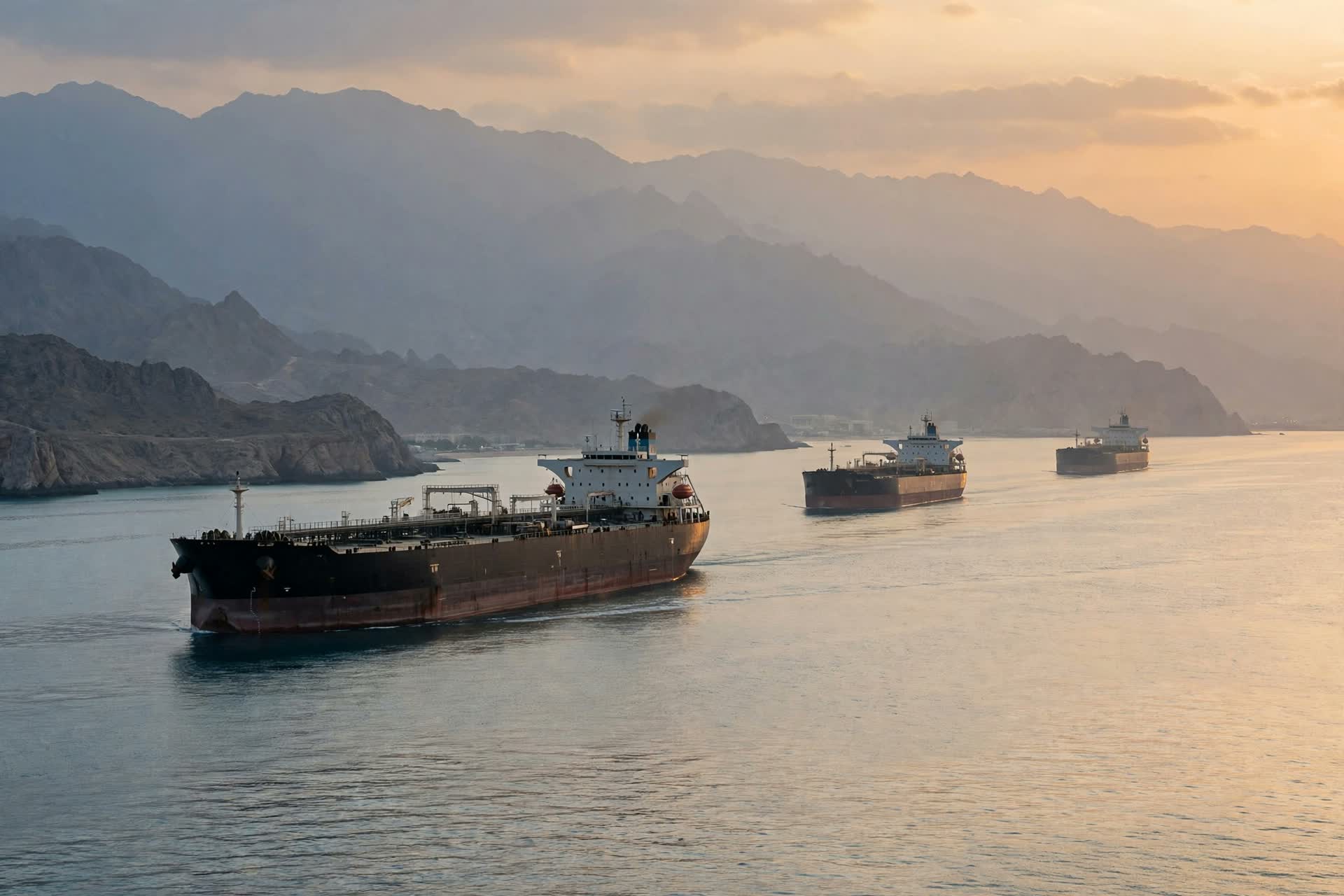
DUBAI, 2 November 2026 — Iran said on Monday it could restore security to the Strait of Hormuz within two days if the United States accepts its conditions, condensing a timeline it had previously put at a week as Qatari-mediated talks produced a draft proposal to end the war.
Foreign ministry spokesman Esmaeil Baqaei told reporters in Tehran that the shorter timeline was a sign of good faith, but stressed that “everything depends” on Washington accepting Iran’s demands. Messages were still being exchanged with the United States through mediators, with no agreement yet in place.
A condensed timeline
Tehran first floated its reopening plan in September, conveying it to Washington through Qatar. Under that seven-day proposal, the strait would have reopened on the sixth day after the United States met Iran’s demands. Trump rejected the initial offer, but Qatari mediators have since revived the talks, first accelerating the timeline to five days and now to two.
Foreign Minister Abbas Araghchi said in an Al Jazeera interview released on Sunday that Washington must also accept a new transit route agreed between Iran and Oman, remove recent sanctions, and reduce United States troop numbers in the region. In a video interview with state-run IRNA on Monday, Araghchi described the indirect talks, via mediators Qatar and Pakistan, as “very intensive”.
What Tehran is asking for
Iran’s conditions include an end to the war on all fronts, the unfreezing of Iranian assets held abroad, the lifting of sanctions on its oil sector, and an end to the American naval blockade on Iranian ports. Tehran has said no agreement can be initiated, and the strait cannot be reopened or secured, unless the blockade ends and its demands are respected.
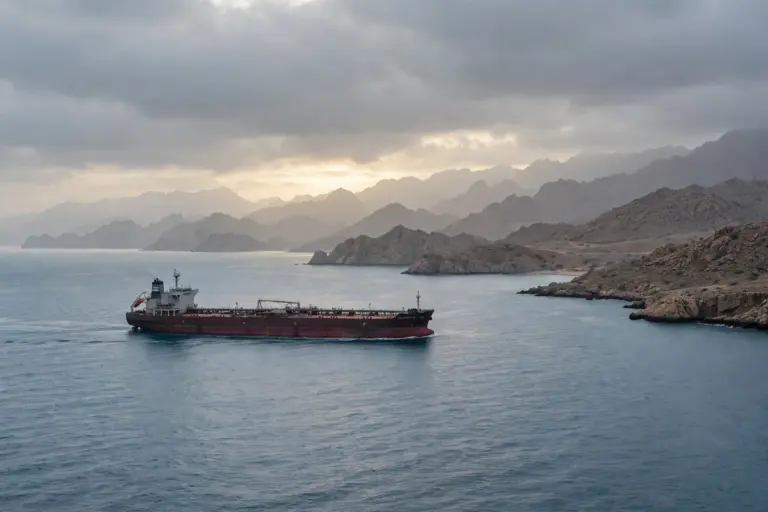
The war began in late February with American and Israeli strikes on Iran. Since then, Iran has asserted control over the strait — one of the world’s most important energy shipping routes — while the United States has imposed a naval blockade on Iranian ports in retaliation. More than 35 ships were attacked in October, a monthly record for the war, according to reports.
Threats and talks in parallel
The negotiations are unfolding alongside fresh warnings from both sides. Trump said at a campaign rally that he might eventually give Iran “the hammer” if no deal is reached, and said on Saturday that Washington still had one or two targets to deal with, including Pickaxe Mountain in central Iran, a suspected nuclear site Tehran denies is such a facility. Iranian leaders have warned that any renewed American military action would trigger a stronger response, and Tehran is now publicly considering withdrawal from the Nuclear Nonproliferation Treaty.
China also weighed in on Monday, with Foreign Minister Wang Yi meeting Iranian and Saudi officials in Beijing and urging a return to negotiations.
Markets react to detente hopes
Oil markets responded to the prospect of progress on Monday, with the global benchmark price falling around 4 per cent to about $109 a barrel, according to market reports. For now, however, the strait remains effectively closed to normal traffic, and the two-day clock Tehran describes would only start if Washington accepts conditions American officials have shown little sign of meeting. With United States midterm elections on Tuesday, the coming days are likely to decide whether the draft deal becomes a breakthrough or another missed opening.