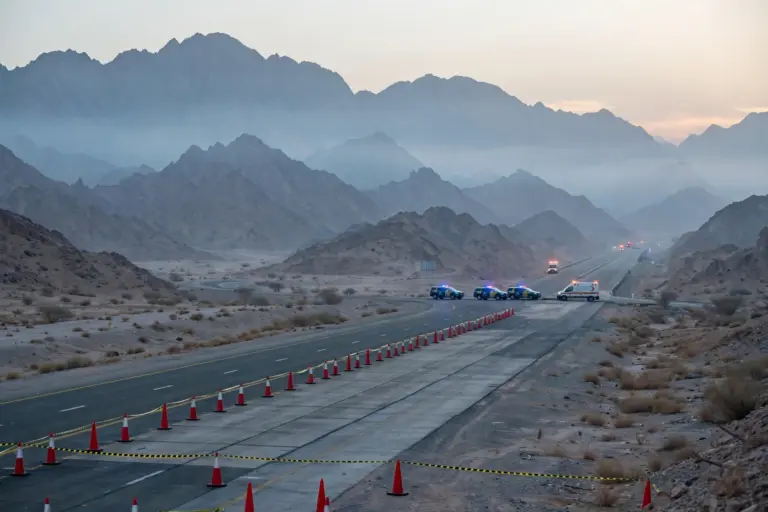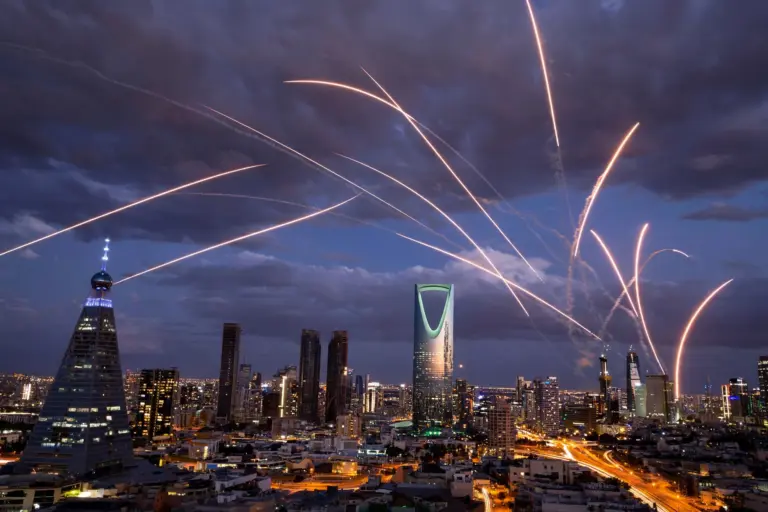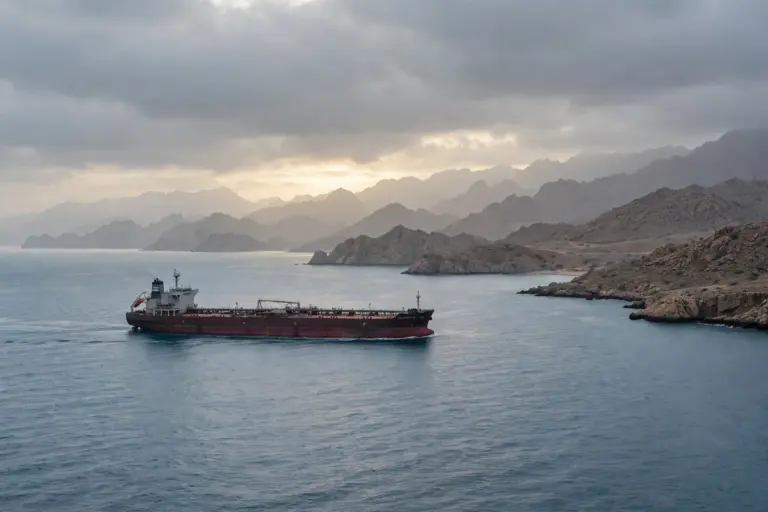


TEHRAN, November 1, 2026 — Iran and Qatari mediators have reached a plan under which the Strait of Hormuz could reopen within two days, provided the United States meets Tehran’s conditions, Iranian Foreign Minister Abbas Araghchi said on Sunday.
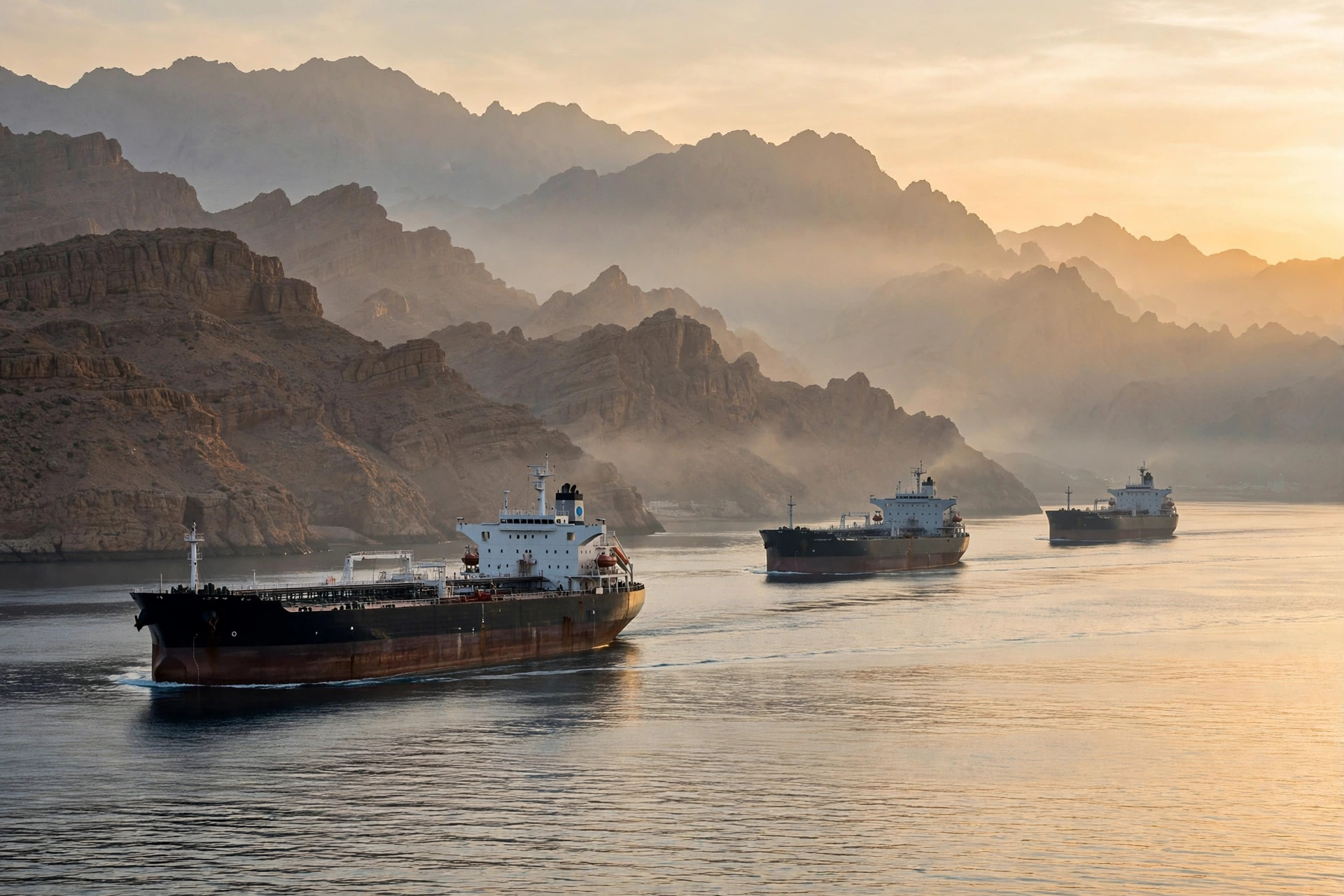
The narrow waterway, through which a significant share of the world’s seaborne oil trade passes, has faced months of disruption tied to the regional war, with tanker traffic at times grinding to a near-complete halt. A reopening would ease pressure on global energy markets and Gulf shipping, battered by attacks, soaring insurance premiums and naval blockades.
Speaking to Al Jazeera, Araghchi said the plan had been shortened from an original seven-day proposal after discussions with Qatar, which has been acting as a mediator between the parties throughout the process.
“The Qatari side had requested that the time needed to implement our proposal be reduced to five days. At this stage, a proposal to shorten that period to two days is under discussion,” Araghchi said, according to Al Jazeera.
What Tehran is demanding
Araghchi laid out a set of conditions Washington would have to meet before the waterway reopens. They include lifting sanctions imposed after the collapse of the Islamabad memorandum, restoring waivers on Iranian oil sales, releasing frozen Iranian funds — including money held in Qatar — and reducing the US military presence in the region, state media reported.
Tehran is also seeking recognition of a new shipping route through the strait that it discussed with Oman, along with the closure of other routes, Araghchi said.
“Reopening the Strait of Hormuz in accordance with our conditions paves the way for the resumption of negotiations with Washington regarding outstanding issues,” he said.
How the two days would work
Under the plan as described by Araghchi, the United States would take a series of preparatory measures on the first day, and on the second day the strait would reopen and maritime activity would return to its previous state.
The proposal gained momentum after US Vice President JD Vance sent a letter to a senior Iranian security official through Qatari intermediaries, trade sources said. An Iranian aide was subsequently sent to Doha to consult with Qatari mediators, and a Qatari delegation visited Iran on October 31.
Araghchi said Tehran had reviewed the contents of the Vance letter, which mentioned maintaining dialogue and seeking peaceful solutions to the remaining disagreements. He played down reports of an imminent meeting with US officials as speculation, saying Iran sees no need for dialogue with Washington until its conditions are met.
Washington’s response still awaited
Iran’s top security official, Mohsen Rezaei, has taken a firm line, insisting that Tehran’s seven conditions must be fulfilled before any diplomatic breakthrough is possible.
US President Donald Trump, meanwhile, has described negotiations as going fine but cautioned that Washington is “not in that much of a hurry” to finalise a deal. No timeline has been confirmed by the US side.
For Gulf shippers, oil traders and residents watching fuel prices, the proposal is the clearest sign yet that the months-long closure of one of the world’s most important energy chokepoints could end — but only if Washington accepts terms Tehran has so far refused to soften.