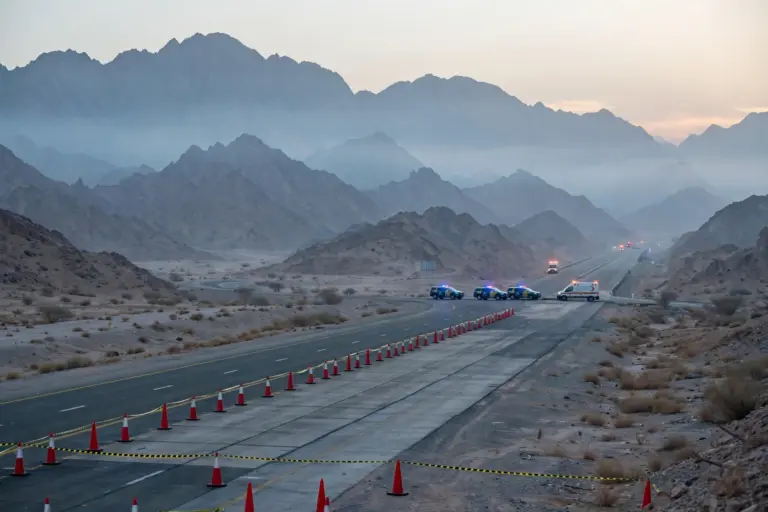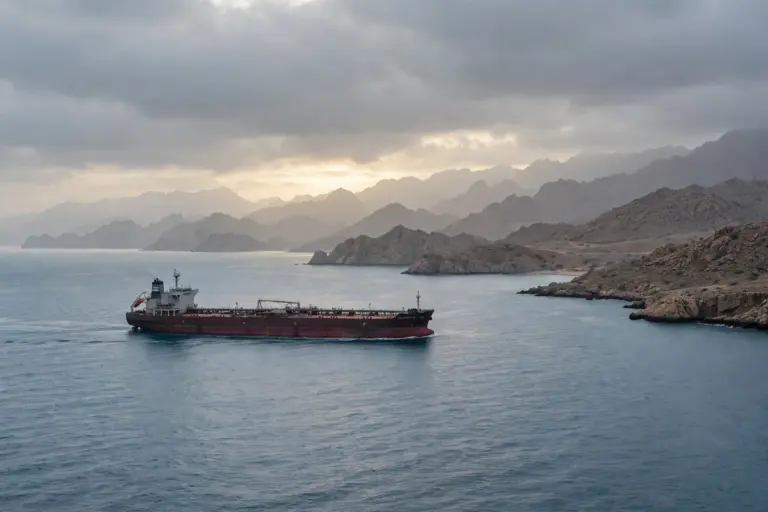


MANAMA, Bahrain — Tuesday, November 10, 2026: Gulf Arab states have approved a new joint military command headquarters in Kuwait, deepening defence integration across the six-member bloc as the region reels from the war with Iran and weeks of Houthi attacks on Saudi Arabia.
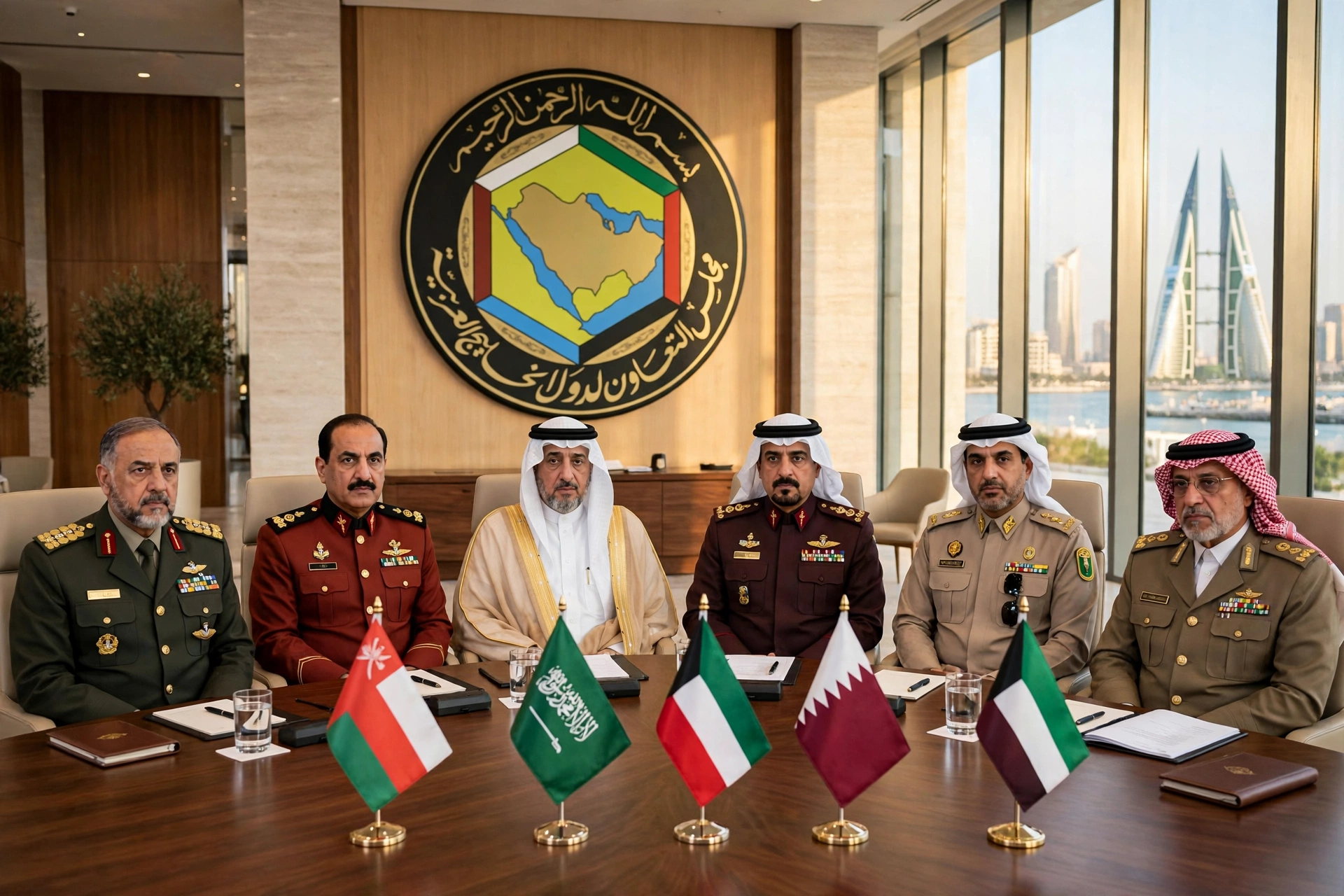
The decision was announced on Tuesday by GCC Secretary-General Jasem Mohamed Al Budaiwi after defence ministers from the six states met in Manama for the 23rd session of the GCC Joint Defence Council, state media reported.
The new headquarters will serve as an advanced forward command for the GCC’s Unified Military Command, with forces allocated to it from the member states, officials said. It will operate under the existing Unified Military Command, which is headquartered in Riyadh.
A new forward command
The meeting was chaired by Bahrain’s Minister of Defence Affairs, Lieutenant General Abdullah bin Hassan Al Nuaimi, and attended by defence ministers from all six Gulf states — Saudi Arabia, the United Arab Emirates, Kuwait, Qatar, Bahrain and Oman.
Mr Al Budaiwi described the decision as an important step towards strengthening joint Gulf military cooperation and coordination, according to reports from the meeting. The ministers also agreed to allocate what officials called “appropriate forces” to support the new command’s operations.
The GCC established its Unified Military Command at a summit in Kuwait in December 2013 to plan and manage joint military operations and strengthen member states’ defence capabilities against threats to their territory, airspace, waters and interests.
Why now
The decision comes at a moment of acute insecurity for the Gulf. The six GCC states have faced thousands of Iranian drone and missile attacks this year, trade sources said, in retaliation for US and Israeli strikes, while Yemen’s Houthis have stepped up attacks on Saudi airports, ports and oil facilities in recent weeks.
Speaking at the Manama meeting, Mr Al Budaiwi addressed what he called the rapid ongoing developments in the Middle East following Iran’s attacks, according to reports. The ministers discussed military cooperation and regional security challenges, with the war with Iran and the Houthi campaign against Saudi Arabia dominating the agenda.
US President Donald Trump said on Monday that the war with Iran was “effectively over” after talks with Qatar’s prime minister, but warned American forces remained “locked and loaded” if Tehran changed course — a reminder that Gulf capitals are planning for a conflict that could still flare again.
What remains unclear
Officials did not say how many troops would be assigned to the new command, what its precise responsibilities would be, or when it would become operational. It is also unclear whether the new structure will integrate the air defence systems of the six countries — something analysts have long said is necessary to defend against missile and drone attacks.
The announcement also did not specify where exactly in Kuwait the headquarters would be based. Further details are expected to emerge as the member states work out the command’s structure in the coming weeks, officials said.
For the Gulf states, the Kuwait command is the clearest sign yet that the Iran war is accelerating a decade-long push towards collective defence — turning a bloc built on economic cooperation into one that increasingly plans, trains and fights together.