

DUBAI — Friday, 13 November 2026 — Visitor numbers at Emaar Properties’ shopping malls, including Dubai Mall and Dubai Hills Mall, have fallen by about 10 per cent because of the Iran war, the developer’s founder Mohamed Alabbar said on Thursday, offering the first hard numbers on the conflict’s toll on Dubai’s retail and tourism economy.
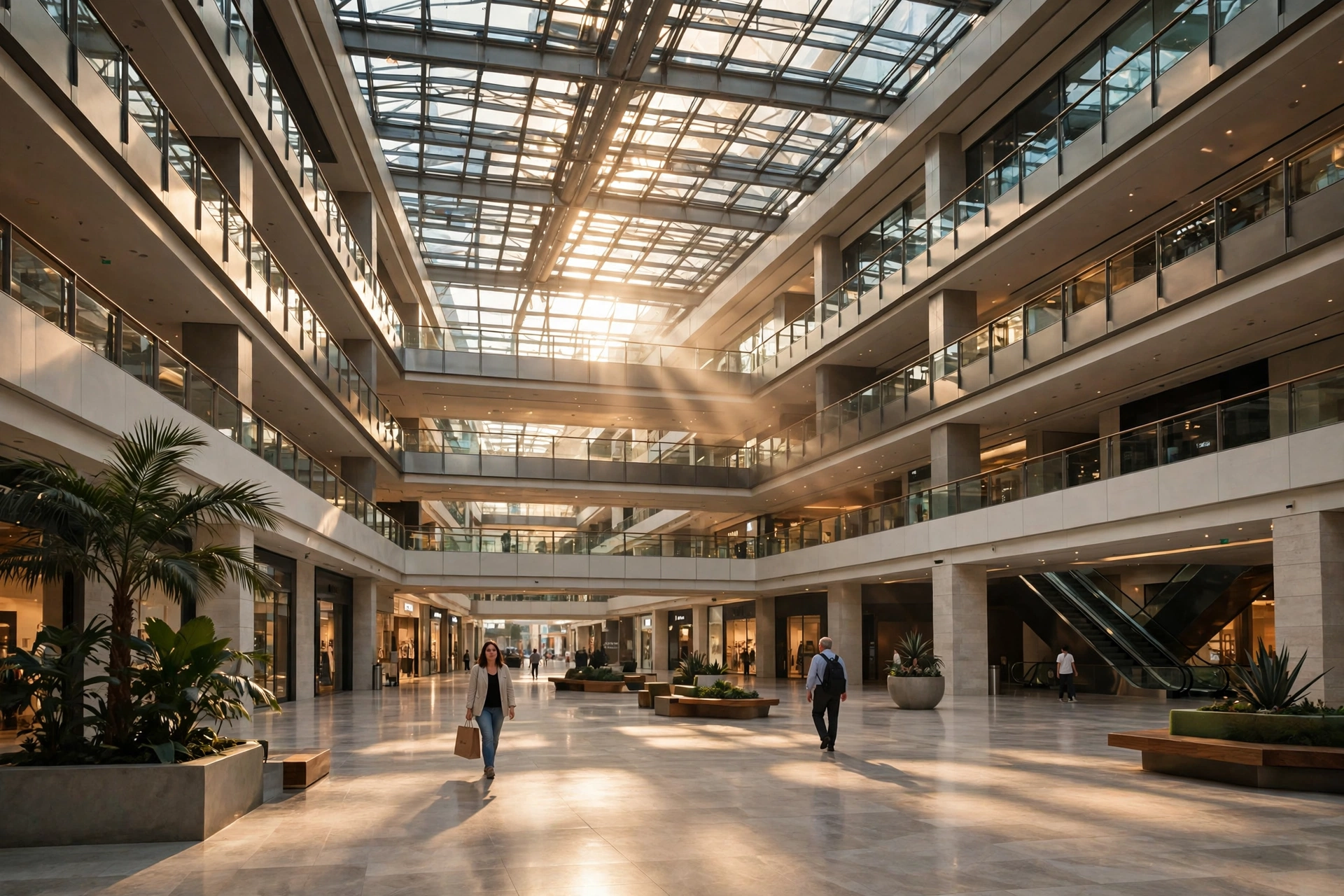
Speaking at the Bloomberg Invest forum in Dubai, Alabbar said the malls had been growing by about 10 per cent a year for the past five years before the war reversed the trend. Retail sales across the group’s malls are down by a similar amount, he added.
Malls feel the squeeze
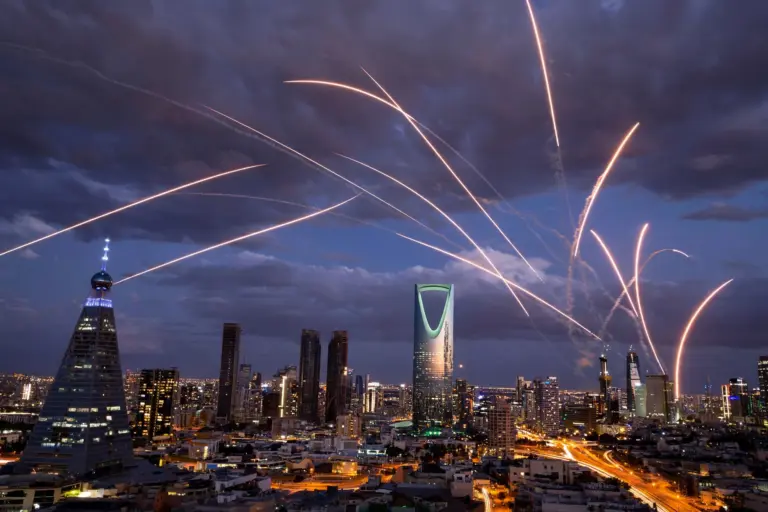
The figures put a number on what shopkeepers and hoteliers in the emirate have felt for months. The war, which began in late February with attacks by the United States and Israel on Iran, is now in its ninth month, and the two sides have yet to agree a deal to end it.
Alabbar said the drop in mall traffic had not dented the group’s leasing business. Occupancy across Emaar’s shopping malls, retail and commercial leasing portfolio stood at about 98 per cent at the end of September, according to the company’s results for the first nine months of 2026, which also showed 14 new projects launched, net profit up 18 per cent and revenue up 13 per cent on a year earlier.
Hotels down to 65 per cent
The hospitality business has taken a heavier hit. Occupancy at Emaar’s hotels has fallen to around 65 per cent, from about 80 per cent before the war, Alabbar said, a level he described as “fine”.
The wider picture for Dubai is starker. International visitors to the emirate fell to 6.9 million between January and August, down from 12.5 million in the same period last year, according to the Department of Economy and Tourism. Research firm Redseer said hotel occupancy across the city stagnated at about 65 per cent in October, after climbing back from a low of 36 per cent in March.
The property market has cooled too. The value of residential sales in Dubai fell 47 per cent year on year in the third quarter to AED 72.6 billion, with transaction volumes down 38 per cent to about 37,000 deals, Dubai Land Department figures show.
Big tower on hold
Alabbar said Emaar would hold back the tender for a “big tower” until “the situation cools down”, without naming the project. The developer had planned earlier this year to launch a tender for the redesigned Dubai Creek Tower within three months, but the plans were delayed when the war began.
Construction costs have also risen, with the price of building materials up about 5 per cent, he said, adding that Emaar was helping contractors where needed and that its projects remained on schedule — in some cases ahead of time.
No bubble, Alabbar insists
Despite the downturn, Alabbar dismissed talk of a property bubble in Dubai. Ratings agency S&P Global assumes the regional conflict will continue into 2027, a view that underlines how long the emirate’s flagship developer expects the pressure to last.
For now, Dubai’s biggest landlord is signalling patience: malls still nearly full, hotels still trading, and the next landmark tower waiting for calmer skies.