

WASHINGTON — Sunday, October 4, 2026 — United States President Donald Trump said on Saturday that he is at a “decision point” on Iran, warning that Washington’s next move would come “the easy way or the hard way,” as confusion deepened over his earlier claim that a US–Iran deal would be signed on Sunday.
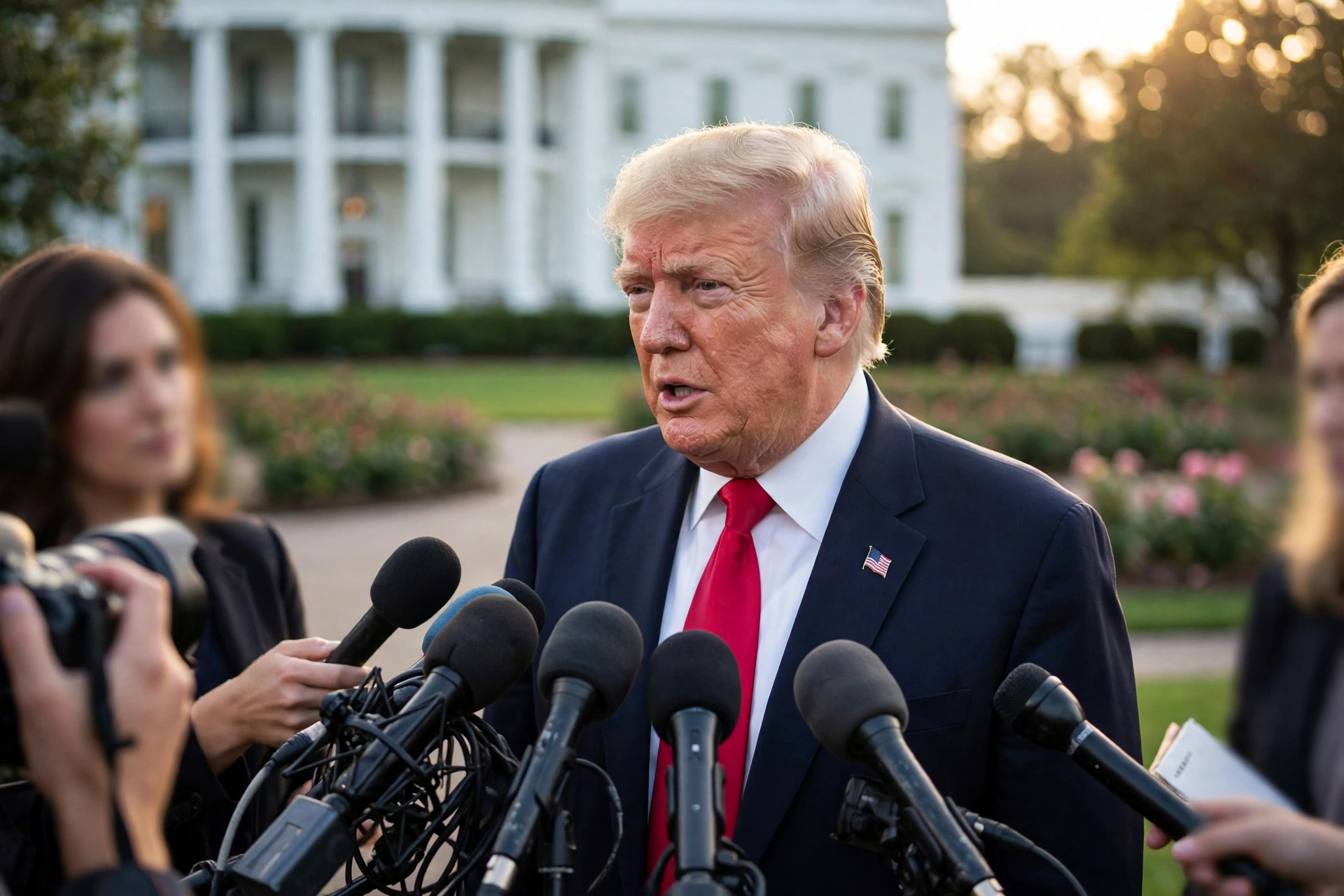
“We have a decision that I’ll make about Iran. Iran’s been decimated. So the only question is, it’ll either be the easy way or the hard way. We’ll have it the easy way or the hard way,” the president told reporters outside the White House before departing for a rally in Ohio, according to ANI and regional outlets.
Trump declined to spell out what either path meant, but the remarks were widely read as a choice between a negotiated end to the US–Iran war and a resumption of large-scale military operations. “Working out very well. Iran is not doing well,” he said, withholding details of the administration’s next steps.
War “will end very quickly”
Speaking separately in Texas, Trump said the war with Iran would conclude “very quickly” and predicted that oil prices would “drop like a rock” once hostilities ended. He described Tehran as economically and militarily shattered.
“Iran will very soon be ending one way or the other,” he said. “It’ll either just say, look, they have 301 per cent inflation. They have no money; they have no currency. Their military has been defeated, their navy is gone, their air force is gone, everything’s gone,” Trump added, according to the reports.
On Friday, when asked about his upcoming strategy, the president teased reporters that revealing his plans would generate “a major story,” saying only that events were “working out very well.”
Tehran pushes back on deal talk
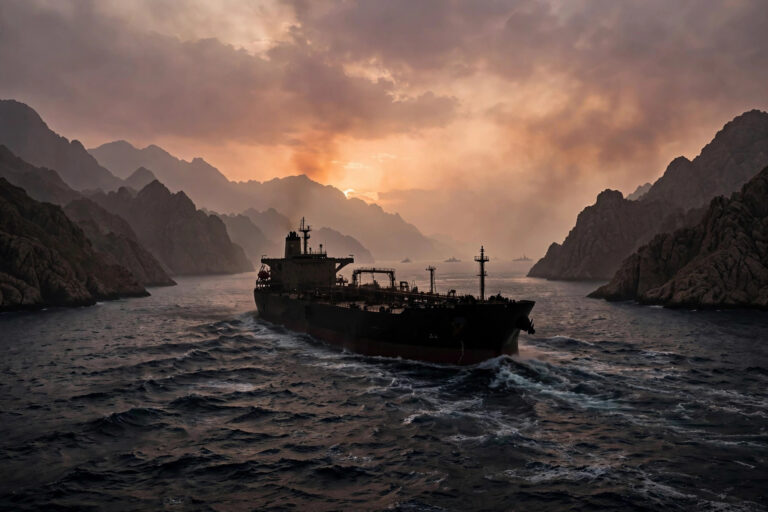
The president’s latest comments followed his post on Saturday claiming that a US–Iran peace deal was “scheduled to get signed” on Sunday and that the Strait of Hormuz would be “OPEN TO ALL.” Iranian officials disputed the timeline, with the semi-official Fars news agency reporting that Tehran had reached no final decision and that no signing would take place on Sunday.
Iranian President Masoud Pezeshkian, meanwhile, said Tehran had adopted what he called a “new arrangement” to manage intensified economic pressure, even as Washington keeps sanctions and tariff threats on the table. Pezeshkian has repeatedly denied that Iran is pursuing nuclear weapons and has offered to dilute enriched uranium stockpiles under international verification.
Gulf watches the next move
The back-and-forth has put the Gulf on edge. Regional media reported that US Senator Chris Murphy has arrived in Qatar and is due to visit Saudi Arabia to assess damage from the US–Israel war on Iran, meet officials on efforts to end the conflict, and discuss the future of American policy in the Gulf.
The uncertainty comes against a backdrop of escalating regional tensions: Yemen’s Houthis claimed a missile-and-drone strike on an Aramco facility near Riyadh on Saturday, while Yemen’s government forces announced strikes on Houthi targets in Sanaa and Saada early on Sunday. For oil markets and Gulf capitals alike, the question now is which way Trump will go — and how fast.