

RIYADH, October 21, 2026 — Saudi-led coalition forces said on Wednesday they had intercepted and destroyed five drones launched towards the Kingdom, including in the region of Medina, one of Islam’s holiest cities, in the latest aerial clash of an escalating October confrontation with Yemen’s Houthis.
Five interceptions across two regions
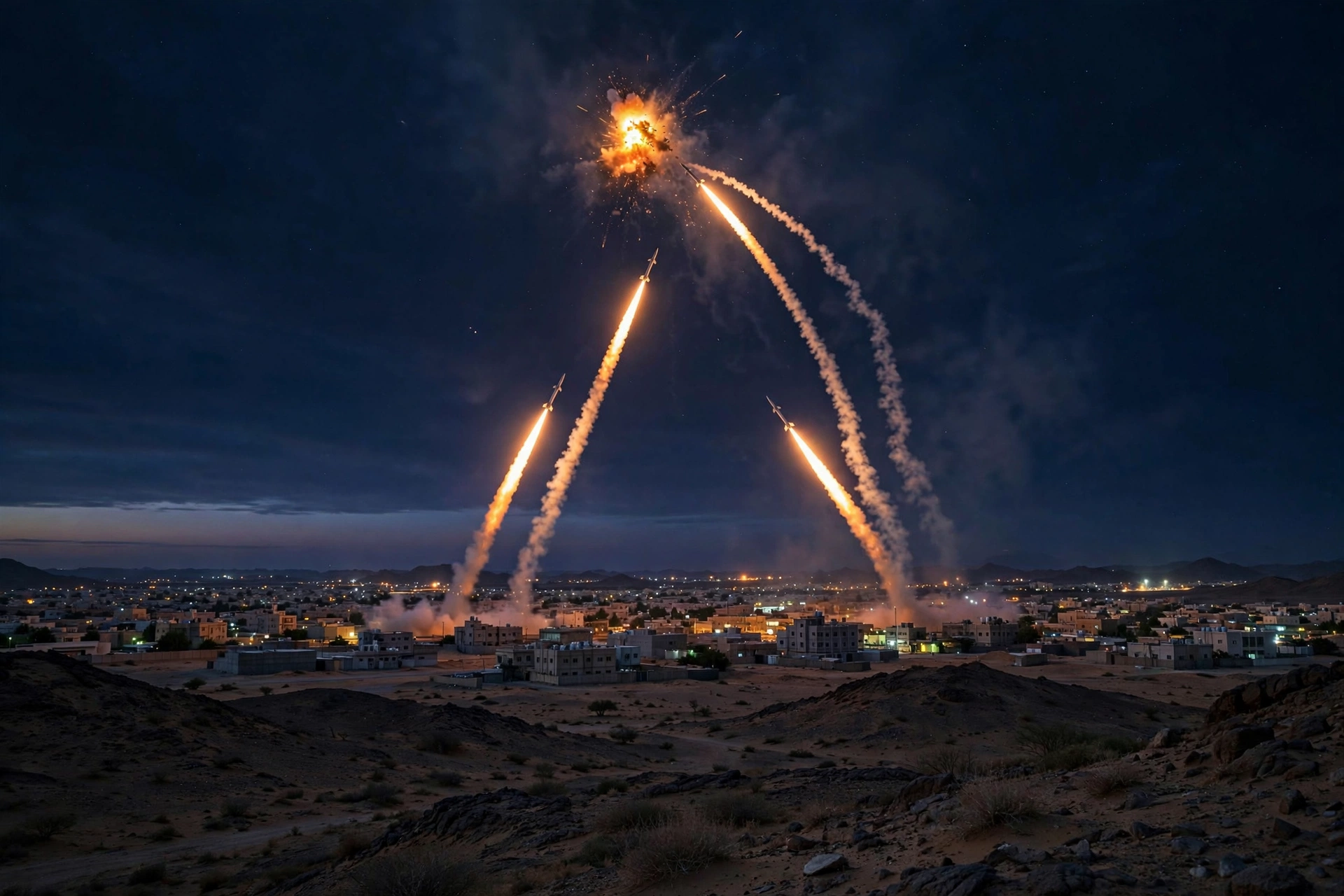
Coalition spokesman Turki al-Malki announced the interceptions in a series of posts on X, stating that four drones launched toward the Kingdom had been intercepted and destroyed, with operations taking place in the Eastern region and in Medina. In a later post, al-Malki said another drone had been intercepted and destroyed in the Eastern region, bringing the day’s total to five, regional media reported.
Al-Malki did not specify who was behind the launches, and officials did not immediately disclose the intended targets of the drones. The coalition is fighting the Iran-aligned Houthis in Yemen, and the group’s fighters have stepped up missile and drone attacks against the Kingdom throughout October.
The announcement marks one of the most sensitive interceptions of the conflict so far: Medina is the burial place of the Prophet Mohammed and home to the Prophet’s Mosque, one of Islam’s holiest cities alongside Mecca — both of which the Houthis have publicly promised to spare. Wednesday’s launches are among the first reported aerial attacks reaching the Medina region.
Houthis deny launching Wednesday’s drones
The Houthis swiftly rejected the coalition’s account. Military spokesperson Yahya Saree said the group had not launched any drones toward Medina on Wednesday and had not conducted any military operations toward Saudi Arabia, denying the coalition’s earlier comments, state-aligned media reported.
The denial continues a pattern of conflicting claims that has defined the month’s aerial exchanges. The coalition has repeatedly attributed drone and missile launches to the Houthis, while the group’s spokespeople have in several recent cases denied involvement — including a reported cruise-missile interception over the Madinah region earlier this month.
A volatile October for the Kingdom
Wednesday’s interceptions follow a day of high alert in the capital. On Tuesday, the coalition said it had intercepted a Houthi ballistic missile aimed at Riyadh and destroyed the platform used to launch it, after blasts were heard across the city and Saudi Civil Defence issued — then lifted — an aerial-threat alert through the National Early Warning Platform, regional outlets reported.
The attacks have intensified steadily since Saudi-led coalition forces struck Sanaa’s international airport in July, a campaign that effectively ended a 2022 ceasefire that had largely halted fighting in Yemen’s civil war. Earlier this month, the Kingdom suffered what officials described as its deadliest attack in years when a strike hit Riyadh’s international airport, and Houthi drones have repeatedly targeted airports, ports and oil facilities across the country.
International backing for Riyadh is hardening. On Tuesday, Britain announced it would expand its military support for Saudi Arabia to include defensive air patrols by Royal Air Force Typhoon jets, and US envoy Tom Barrack told a security forum in Doha that Washington would supply the logistical backing Saudi Arabia needs, regional outlets reported.
Meanwhile, UN human rights chief Volker Turk warned this week that Houthi forces had imposed a siege on the Yemeni city of Taiz, cutting it off from most supply routes and putting civilians at grave risk — a reminder that the fighting inside Yemen continues to escalate in parallel with the aerial war over the Kingdom.
What happens next
The coalition has given no indication of how it will respond to Wednesday’s drone launches, and neither side has provided independent evidence of the interceptions. With the Houthis denying involvement and the coalition reporting ever more frequent interceptions over Saudi cities, analysts say the October aerial campaign shows no sign of de-escalating — keeping air-defence crews across the Kingdom on high alert and leaving Gulf skies among the most contested in the world.