

Iran’s Oil Minister Resigns as US Blockade Strangles Tehran’s Crude Exports
TEHRAN, October 5, 2026 — Iran’s petroleum minister Mohsen Paknejad has resigned and been replaced by the head of the state oil company, the president’s office announced on Sunday, a leadership shake-up that lays bare the pressure the seven-month US-Iran conflict is putting on Tehran’s most important source of revenue.
According to a statement carried by state broadcaster IRIB, President Masoud Pezeshkian accepted Paknejad’s resignation and appointed Hamid Bovard, the deputy petroleum minister and chief executive of the National Iranian Oil Company (NIOC), as acting minister by presidential decree.
A spokesman for the Iranian presidential office, Seyyed Mehdi Tabatabaei, told state television that Paknejad had tendered his resignation “for personal reasons” some time ago, and that Pezeshkian had initially declined it before finally accepting. Pezeshkian “commended his efforts and sincere service,” the spokesman said.
A ministry under siege
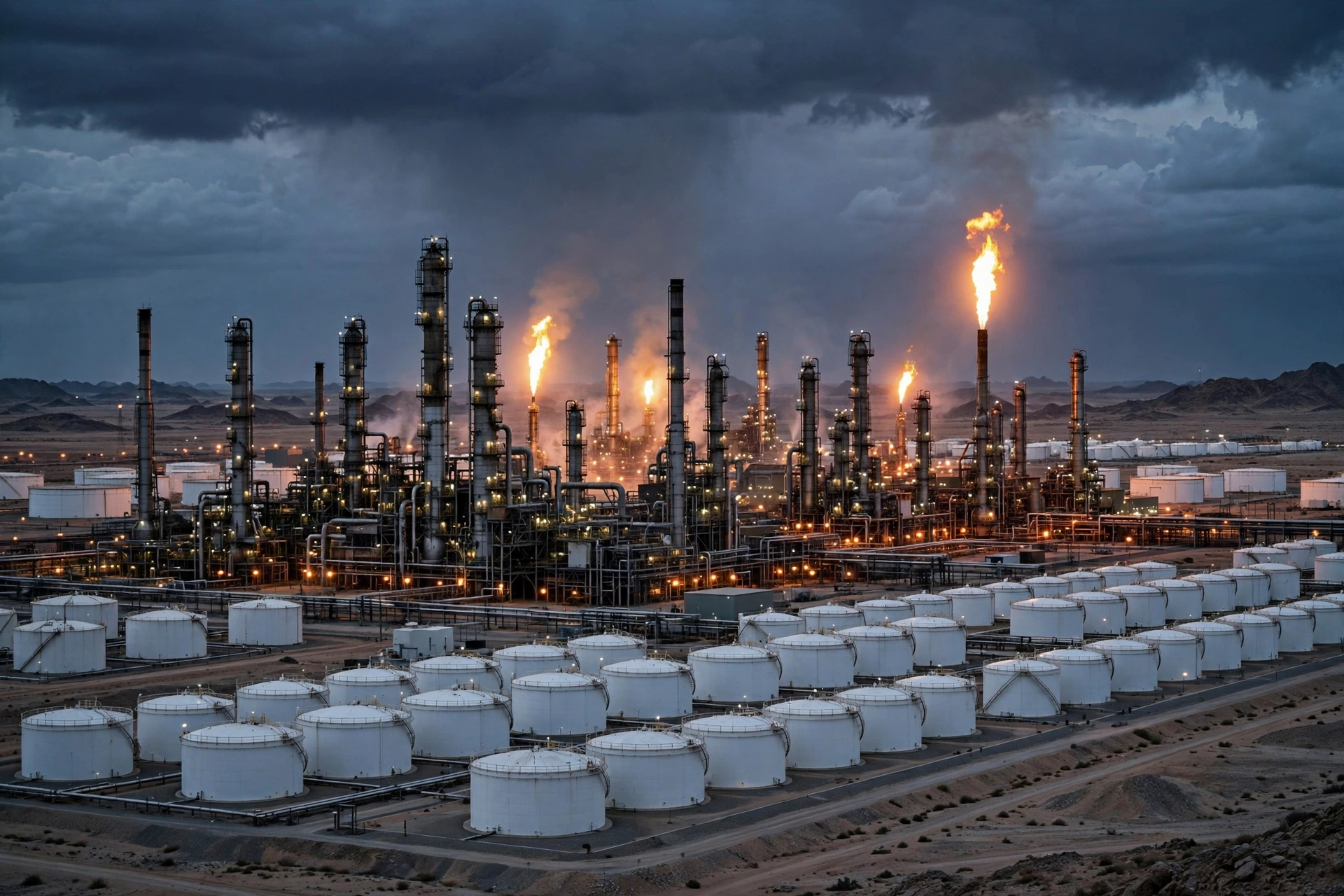
Paknejad had held the post since August 2024, when he won parliament’s vote of confidence. His departure comes as a US naval blockade has driven Iranian crude exports effectively to zero, the country’s central bank chief acknowledged, choking off the lifeline that funds Tehran’s war effort.
The economic strain is increasingly visible inside Iran. The government doubled the price of petrol sold above the subsidised 110-litre monthly quota in September, a bid to close a daily deficit of roughly 10 million litres that had triggered long queues at petrol stations in Tehran and other major cities, trade sources said.
In a rare acknowledgement of the severity of the situation, national security adviser Mohsen Rezaei warned on Saturday that the rapidly deteriorating economy had pushed the country into one of the most difficult periods in its history.
Blockade and stalemate
The crisis traces to the conflict that erupted in late February, when US and Israeli strikes hit Iranian targets. Tehran responded by tightening its grip on the Strait of Hormuz — the waterway that carried roughly a fifth of the world’s crude oil and liquefied natural gas before the war — barring the passage of vessels belonging to or affiliated with Israel and the United States. Washington retaliated with a counterblockade of Iranian ports designed to halt all of Tehran’s petroleum shipments.
Shortly before the news broke, Paknejad told state media that oil revenues were “still coming” — a final defence of the sector he is now leaving behind.
Diplomacy stalled
Iran’s deputy foreign minister Kazem Gharibabadi said on Sunday that Tehran was reviewing, via mediators, Washington’s response to its proposal to cease hostilities and reopen the Strait of Hormuz.
The Trump administration has paired the naval blockade with the largest US military buildup in the Middle East since 2003, Gulf News reported, even as Tehran vows the Strait will stay closed.
Whether the appointment of Bovard — an oil company chief rather than a political figure — signals a technocratic push to keep Iran’s remaining energy infrastructure running or simply a placeholder at the helm of a stranded ministry will become clearer in the weeks ahead. For now, the resignation stands as the clearest sign yet that the blockade is biting at the heart of the Iranian state.