

DUBAI, Sunday, November 22, 2026 — Iran is preparing to send a convoy of 14 oil tankers through the United States naval blockade of its ports, raising the prospect of a direct confrontation between Iranian vessels and American warships in the Gulf at a moment when shipping through the Strait of Hormuz has fallen sharply.
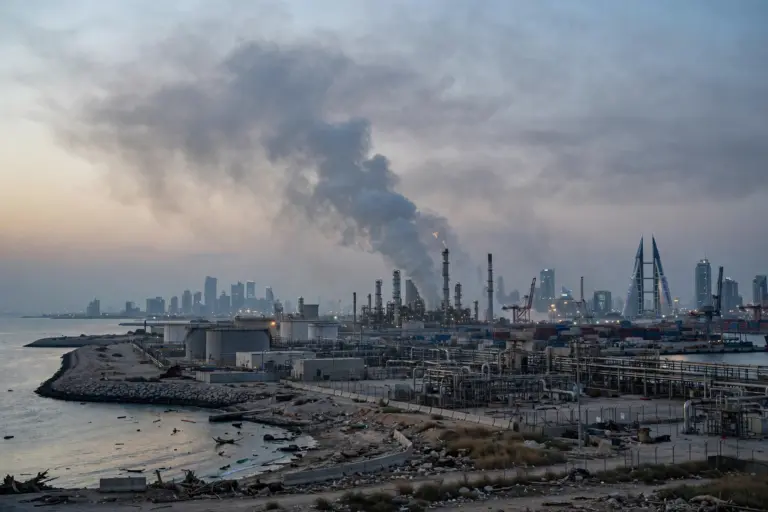
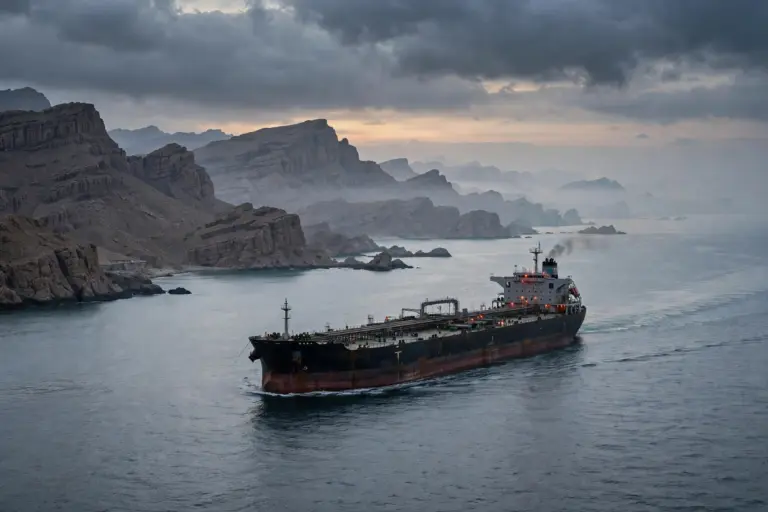
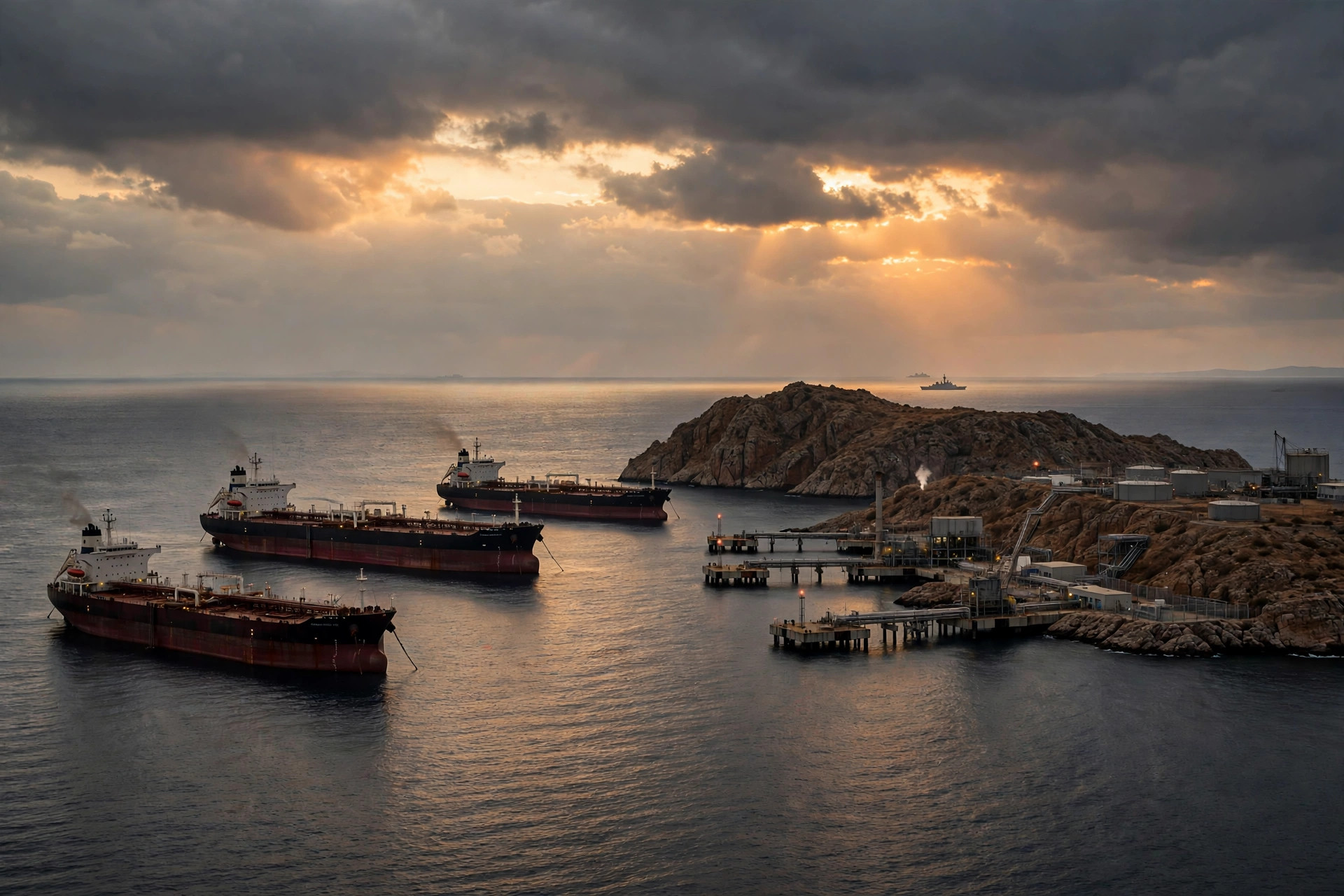
More than 14 tankers are reported to be gathered near Kharg Island, Iran’s main oil export terminal, with crews assigned and Iranian flags raised, according to reports carried by Gulf News and other outlets on Sunday. Satellite imagery and vessel-tracking data cited by several news organisations appear to show the ships assembled off the island, most with their tracking transponders switched off.
Iranian lawmaker Vahid Ahmadi, of parliament’s National Security Committee, said the 14 tankers were preparing to challenge the blockade, with military escorts among the measures under consideration.
A plan named “Operation Fereydoun”
The reported preparations follow a column published on Wednesday by the Fars News Agency, a news outlet close to Iran’s Revolutionary Guards, which outlined a proposal to break the blockade by sending a group of tankers through it. The plan, described by the agency as “Operation Fereydoun”, would see the vessels sail toward China.
The same reports said Iranian-linked media had warned that any American attempt to stop the convoy could prompt strikes on Gulf energy facilities in the United Arab Emirates, Saudi Arabia and Qatar. Those threats have not been issued as official Iranian government statements, and Tehran has not formally confirmed that a convoy has been ordered to sail.
Iran’s Deputy Foreign Minister Kazem Gharibabadi said on Saturday that Tehran would take “any action necessary” to break the blockade, which Iran describes as an act of war. Foreign Minister Abbas Araghchi said on Friday that Tehran would respond to the American move.
Hormuz shipping at its lowest since the war began
The standoff comes as attacks on commercial shipping in the Strait of Hormuz reach their highest level since the war began. The British maritime agency UKMTO said two tankers were struck in the strait on Saturday, one hit on the stern and another struck in its engine room, with no casualties reported.
Shipping through the waterway was about 65 percent below pre-war levels in the week ending November 18, UKMTO said, with 263 vessel crossings compared with 308 the previous week.
Diplomacy continues behind the standoff
The United States reinstated its naval blockade on July 14, aiming to prevent ships from entering or leaving Iranian ports and to cut off Tehran’s oil exports. On November 18, US Central Command tightened the rules further, warning that even ships receiving Iranian cargo through transfers at sea could be stopped, seized or turned back.
A Qatari delegation held two hours of talks in Tehran on Friday, according to Gulf News, as diplomacy continued alongside the military posturing. Iran’s demands include ending the war on all fronts, unfreezing its assets, lifting oil sanctions and ending the US counter-blockade.
As of Sunday morning there was no independent confirmation that the convoy had departed Kharg Island, and no official departure date had been announced. The question now is what happens if the tankers do sail — and whether Washington is prepared to stop them by force.
Sources: Gulf News, WION, The Jerusalem Post, Reuters, Bloomberg, Euronews, TankerTrackers, UKMTO.