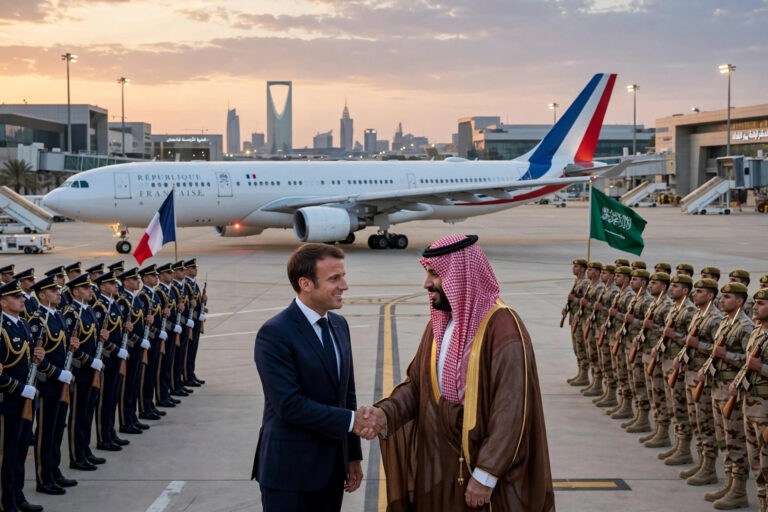


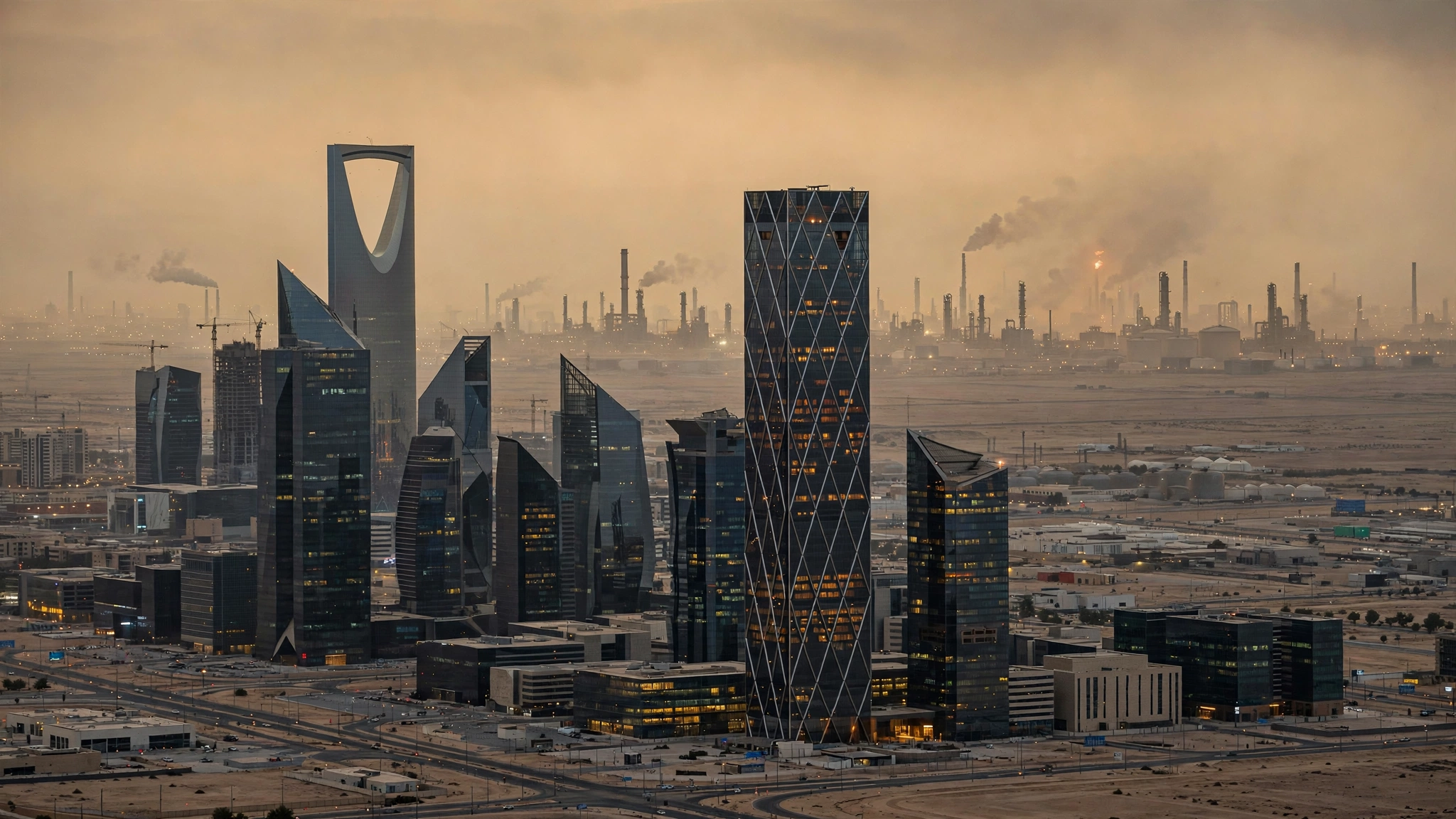
RIYADH, October 13, 2026 — Saudi Arabia, the world’s largest oil exporter, is heading for a sharp economic contraction this year, the International Monetary Fund said on Tuesday, as Houthi attacks on Saudi soil pile fresh pressure on a kingdom already squeezed by the Middle East war.
The IMF’s latest World Economic Outlook, released in Bangkok, projects Saudi Arabia’s gross domestic product will shrink by 3.3 percent in 2026 — one of the steepest forecast cuts anywhere in the world and a 5.0 percentage-point downgrade from the Fund’s April outlook.
From Growth to Contraction
The projection marks a dramatic reversal for the kingdom, whose economy expanded by 4.6 percent in 2025, according to the Fund. Just six months ago, the IMF still expected Saudi Arabia to keep growing through the war.
The damage, the report said, flows mainly through Iran’s prolonged blockade of the Strait of Hormuz, the vital waterway that normally carries about a fifth of the world’s oil and gas. The US-Israeli conflict with Iran is now in its eighth month, and the Fund cut its outlook for the Middle East and Central Asia region as a whole to a 0.3 percent contraction this year, a 2.2 percentage-point downgrade.
Houthi Strikes Add to the Pain
The Fund’s assessment landed amid the deadliest week in Saudi Arabia in more than a decade. On Saturday, Houthi missile strikes on Riyadh’s King Khalid International Airport killed 13 people and wounded more than 300, forcing the kingdom’s second-busiest airport to shut until at least October 17.
Houthi attacks have also targeted Saudi oil facilities and tankers in the Red Sea — the kingdom’s alternative export route — while the restart of Yemen’s frozen civil war in July has brought the fighting to Saudi soil itself, the Fund noted.
Gulf Neighbours Hit Harder, Rebound Expected
Saudi Arabia is projected to fare “somewhat less affected” than its neighbours because of its more diversified energy export routes, the Fund said. Bahrain, Iraq, Kuwait and Qatar face double-digit contractions in 2026, followed by double-digit expansions in 2027 as energy production, exports and logistics return to normal.
The Fund expects a powerful rebound once the war ends: Saudi growth of 7.9 percent in 2027 — more than twice the projected global average of 3.4 percent — with the Strait of Hormuz expected to begin reopening in March 2027 and shipping conditions returning broadly to pre-war levels by October.
Saudi inflation is expected to remain contained at 1.9 percent this year and 2.2 percent in 2027, the report added.