


RIYADH, October 5, 2026 — Pumping on Saudi Arabia’s strategic East-West oil pipeline has been halted again after a fresh attack damaged a pumping station near Khurais, east of Riyadh, an energy-sector source told Agence France-Presse on Monday, marking another hit on the kingdom’s most critical export artery as the regional confrontation intensifies.
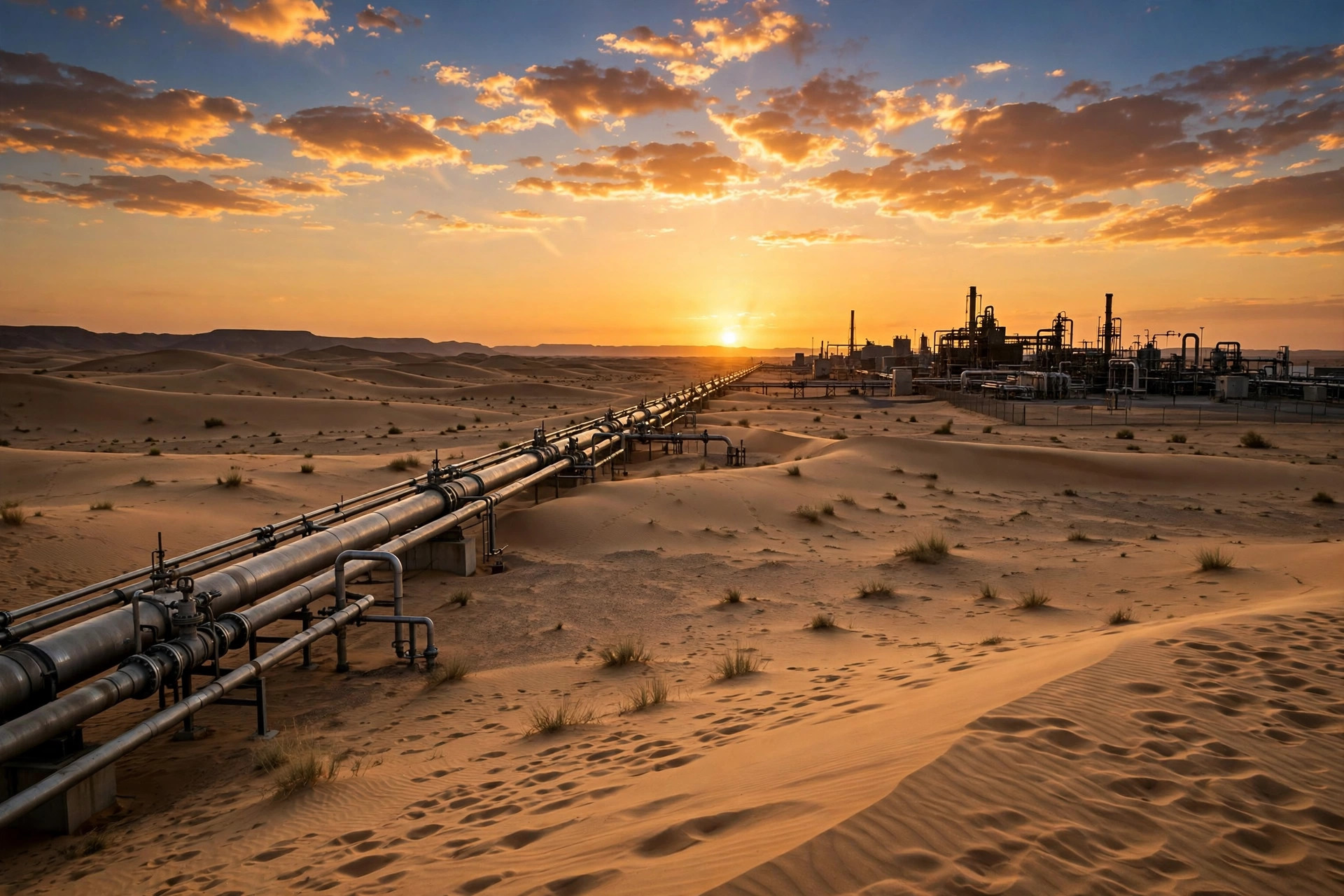
“The East-West pipeline was attacked again yesterday,” the source said, according to the AFP report carried by multiple outlets. “A pumping station east of Riyadh in Khurais. It wasn’t targeted before. There was big damage, and the pipeline stopped again.”
Conflicting reports on operations
The claim of a fresh stoppage was challenged hours later by Bloomberg, which reported that the East-West pipeline continues to operate normally, with oil flows uninterrupted despite the attack claims, citing people familiar with the matter. Saudi Aramco and the Saudi energy ministry had not issued public statements on the incident by the time of publication.
The duelling accounts leave the true status of the pipeline unclear — a familiar pattern in the information war surrounding the kingdom’s energy infrastructure, where satellite imagery and shipping data have become the tiebreakers.
A day after Houthi claims
The reported attack came a day after Yemen’s Iran-backed Houthis said they had targeted sites belonging to state oil giant Aramco in Saudi Arabia, including infrastructure in the Khurais area, in what the group described as retaliation for coalition airstrikes in Yemen.
The East-West pipeline, which runs about 1,200 kilometres (700 miles) between Saudi Arabia’s main oil fields in the east and the Yanbu terminal on the Red Sea, has become the kingdom’s lifeline for crude exports after the blockade of the Strait of Hormuz disrupted its primary Gulf route. The conduit can carry roughly 7 million barrels per day at full capacity.
Repeated target
The pipeline has been struck several times since the regional war began following US-Israeli strikes on Iran. According to commodity-tracking platform Kpler, flows in the pipeline remained halted from September 11 to September 22 after drone attacks on pumping stations, and were only recently restored.
Saudi Arabia, the world’s top oil exporter, relies on the East-West route to bypass the choked Hormuz waterway, through which it normally ships the bulk of its crude. Any sustained interruption raises fresh concerns for Asian buyers — ironically the same week Aramco slashed its November official selling prices for Asia to the steepest discount in more than six years.
Oil markets on edge
The latest claims added fresh nerves to energy markets already rattled by the weekend’s Houthi statements. Brent crude futures climbed to $103.06 a barrel on Monday, traders said, as the market weighed the risk of sustained disruption to Saudi output.
Shipping data released Monday offered a mixed picture: Middle East crude exports exceeded pre-war levels on four of seven days in the final week of September, according to Kpler, even as attacks on vessels around the Strait of Hormuz continued — a sign of the industry’s race to move oil while routes remain open.
Whether the East-West pipeline is pumping or paused will likely become clear in the coming days as loading data from Yanbu filters through. For now, the kingdom’s energy officials remain silent, and the conflicting reports stand as the latest chapter in a war being fought as much over information as over infrastructure.