


RIYADH, October 5, 2026 — Saudi Aramco has slashed the price of its flagship crude for Asian buyers to the biggest discount in more than six years, a stunning move that stunned traders as oil prices climbed above $103 a barrel on fears of fresh attacks on the kingdom’s oil infrastructure.
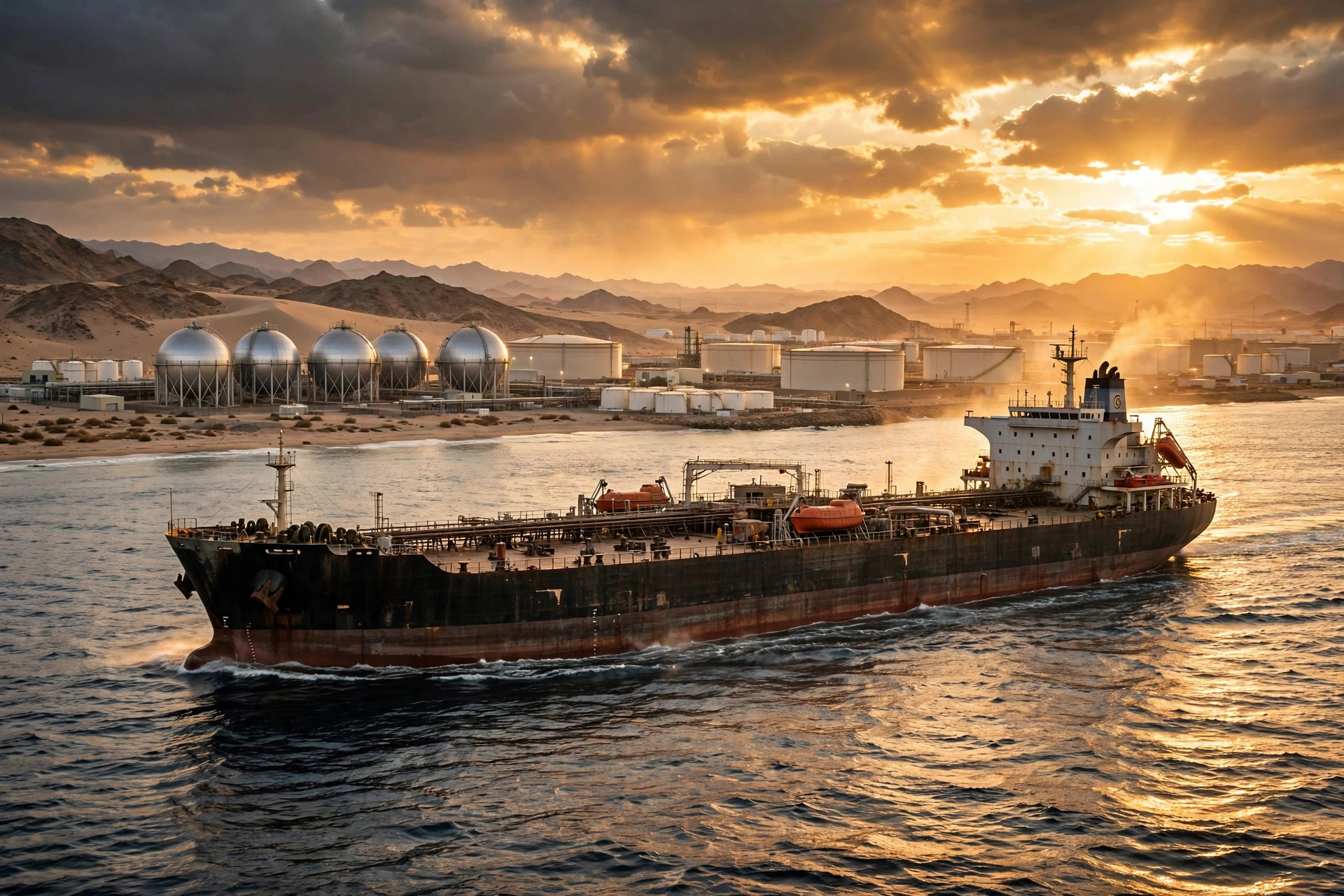
The world’s largest oil exporter set the November official selling price for Arab Light crude sold to Asia at $5 a barrel below the average of Oman and Dubai prices, according to a pricing document cited by Reuters. That is $3 lower than the October price and the widest discount since June 2020, when the pandemic crushed global demand.
The cut defied every expectation. Analysts polled by Reuters had forecast a $3-a-barrel increase for November, in line with gains in Middle Eastern benchmarks, while a Bloomberg survey of traders and refiners had priced in a $5 hike. Instead, Riyadh went the other way — hard.
Deepest Cuts for Heavy Grades
State oil company Saudi Aramco cut even deeper on heavier grades: the November official selling prices for Arab Medium and Arab Heavy crude sold to Asian buyers were reduced by $5 a barrel, trade sources said. The markdowns amount to one of the most aggressive pricing moves by the kingdom in recent memory.
The discount is a clear signal that Saudi Arabia is fighting to defend its market share in Asia — its most important market — as Persian Gulf producers race for buyers with oil flows through the Strait of Hormuz recovering. People familiar with the matter told Reuters last week that Aramco had been considering discounts for crude loaded off Oman to compensate Asian buyers for record freight rates, as shipping through the war zone has become dangerous and expensive.
Asia Discounts, Europe Pays More
The contrast with other regions was striking. In the same pricing cycle, Aramco raised the November official selling prices for northwest Europe by $3 a barrel across all grades, after it resumed crude exports from the Red Sea port of Yanbu following repairs to its East-West pipeline. Prices for buyers in the United States were left unchanged, the pricing document showed.
Separately, Saudi Arabia and its OPEC+ partners agreed on Sunday to keep oil production targets steady for November, officials said, in line with expectations that no further output adjustments are likely until next year.
Oil Rallies on Attack Fears
The pricing decision landed on the same day Yemen’s Houthis claimed they had launched ballistic missiles and drones at Saudi Aramco sites in Riyadh and the Khurais area, saying the strikes caused large fires. There was no immediate confirmation from Saudi authorities, but the claims pushed Brent crude futures up 81 cents to $103.06 a barrel, while US West Texas Intermediate traded at $91.57.
The contradiction was not lost on the market: Saudi Arabia discounting its oil to Asia while benchmark prices rally on security fears. Energy traders said the kingdom appeared to be betting that cheap oil for its biggest customers — including China and India — would keep barrels moving even as shipping costs and war risk climb.
Middle Eastern crude exports have rebounded to about 98 per cent of pre-war levels, according to a JPMorgan estimate cited by Bloomberg, even as attacks on tankers in and around the Strait of Hormuz continue. The kingdom is clearly determined to keep its Asian buyers — whatever it costs.



[…] Read Also: Saudi Aramco Slashes Oil Prices for Asia to Six-Year Low as Brent Tops $103 […]