

RIYADH, Tuesday, November 10, 2026 — Saudi Arabia’s deputy governor of Riyadh inspected an Aramco administrative building in the capital on Tuesday after it was damaged in an attack by Yemen’s Houthi group, state media reported, in the first official on-site visit since the strike hit the kingdom’s financial heart.
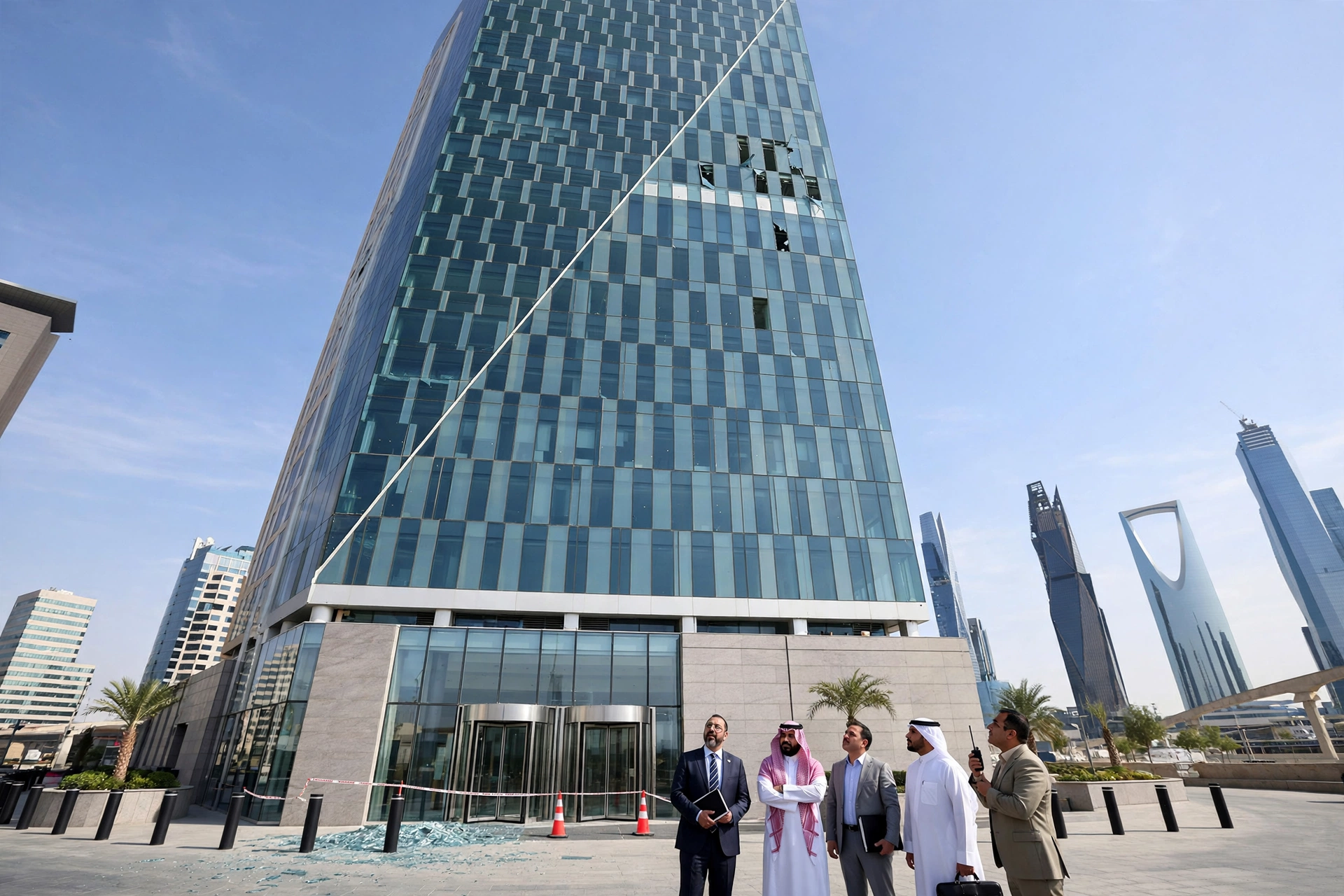
Prince Mohammed bin Abdulrahman bin Abdulaziz toured the building in the King Abdullah Financial District (KAFD), where the Energy Ministry had confirmed limited damage on Sunday, with no injuries or fatalities reported.
The deputy governor said the attack underscored the Houthis’ targeting of civilian facilities, the Saudi Press Agency reported, and directed the authorities to provide support for Aramco employees affected by the strike.
Damage confirmed in the financial district
The Energy Ministry said on Sunday that debris had struck the Aramco Tower in the KAFD, one of the tallest buildings in the capital, causing limited material damage. The ministry did not at the time identify those responsible.
A Reuters witness reported shattered windows across several floors of the tower, while witnesses speaking to international news agencies confirmed visible damage to the structure. The Houthis later claimed responsibility for the attack, saying their forces had carried out operations using ballistic missiles, cruise missiles and drones.
The KAFD is home to the Saudi stock exchange, the kingdom’s sovereign wealth fund and the regional offices of global banks, making the strike on the district a symbolic blow as well as a physical one, analysts said.
Weeks of strikes on Aramco sites
The Houthis have stepped up strikes on Aramco facilities in recent weeks, including the oil giant’s headquarters in Dhahran in the Eastern Province, as the wider war between the United States and Israel and Iran has widened across the region.
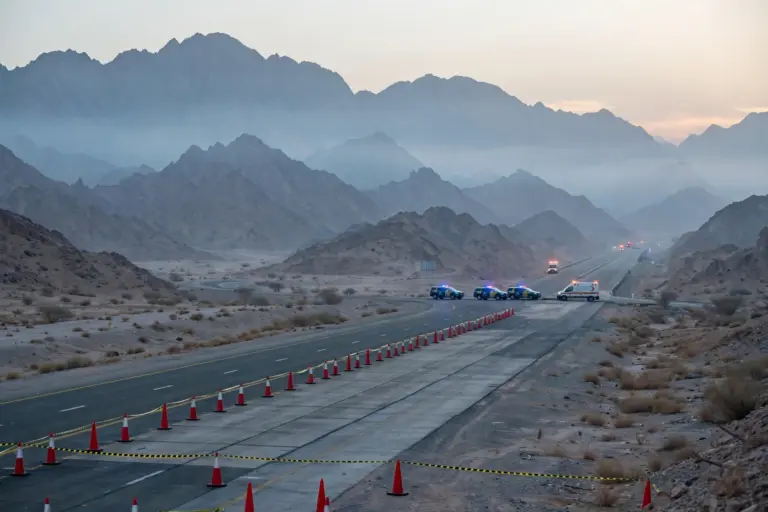
On Monday, Saudi Arabia said its East-West oil pipeline was struck in the Medina region, causing a limited fire that was later extinguished. The attack caused no casualties and did not affect pipeline operations, state media reported.
Then on Tuesday morning, the Saudi-led coalition said it had intercepted and destroyed two Houthi missiles fired towards Riyadh — one ballistic and one cruise missile — as civil defence alerts sounded across the capital before being lifted.
What comes next
The inspection comes as Saudi officials weigh their response to an escalation that has now hit airports, oil infrastructure and the capital’s financial district in the space of a few days, raising fresh questions about the security of the kingdom’s most sensitive sites.
Trade sources said the damage to the Aramco tower was limited and operations at the building were not expected to be disrupted for long, though the attack has added to pressure on Riyadh to strengthen air defences around the capital.
For now, the kingdom’s message is one of defiance: the deputy governor’s visit, broadcast by state media, was designed to show that the financial district is open for business — even as the missiles keep coming.