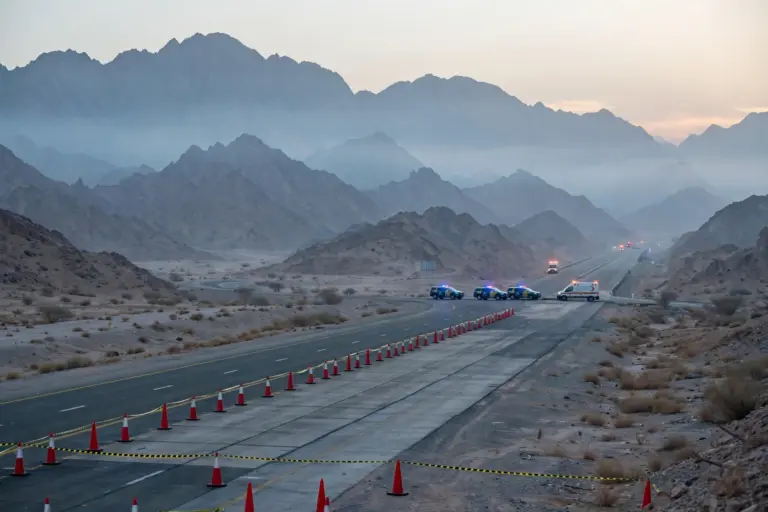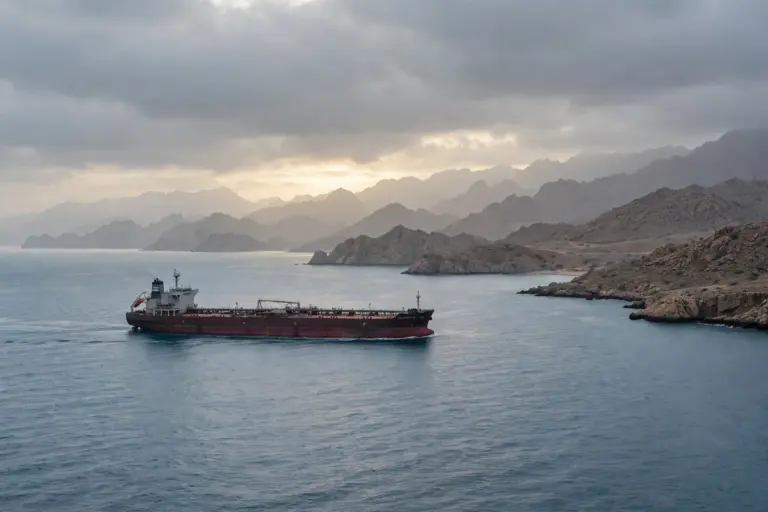


RIYADH, Tuesday, November 10, 2026 — Saudi air defences intercepted and destroyed two missiles fired towards Riyadh early on Tuesday morning, the Saudi-led coalition said, in the latest Houthi attack on the kingdom’s capital after weeks of escalating strikes on Saudi cities and energy sites.
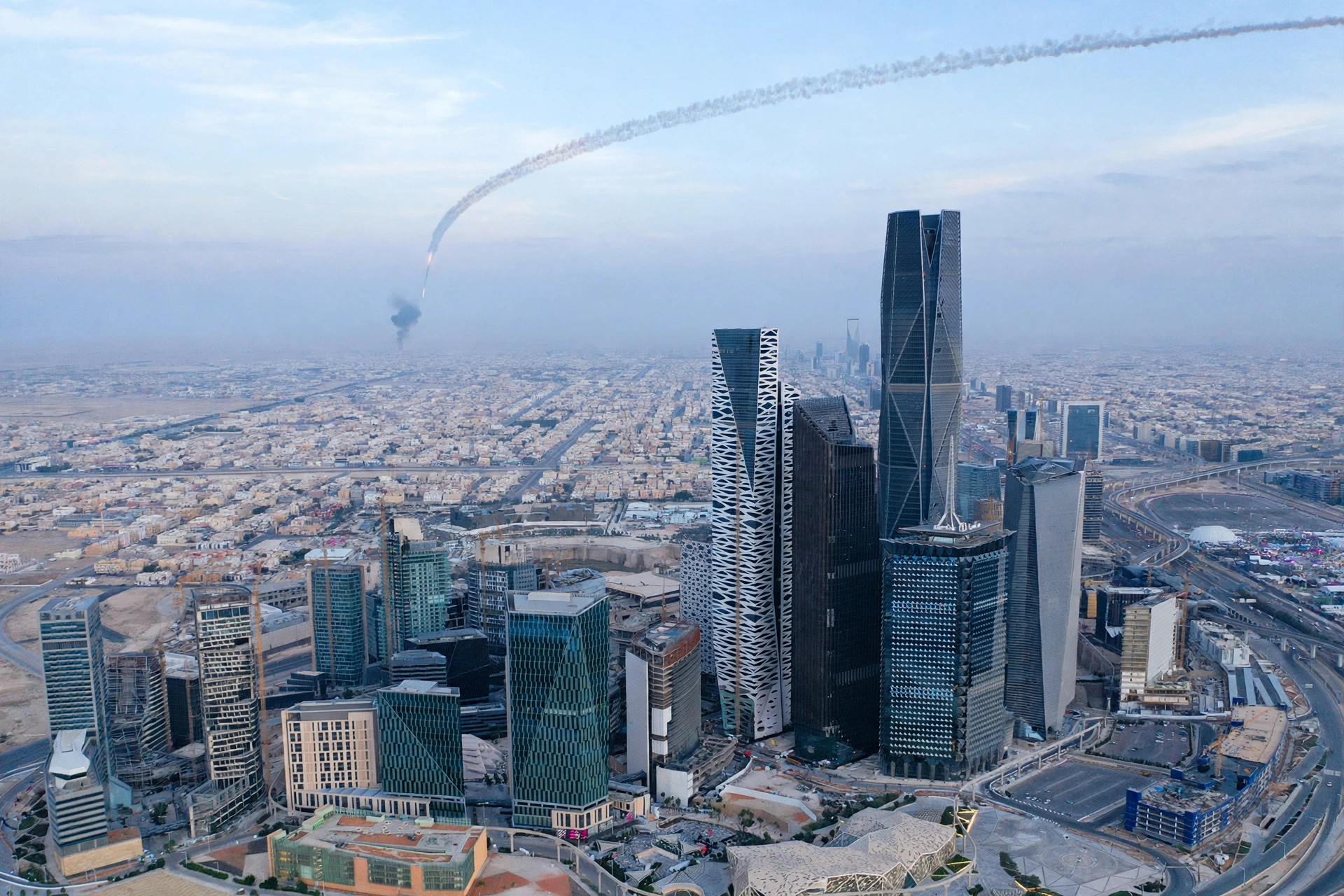
Coalition spokesman Maj. Gen. Turki al-Maliki said in a series of posts on X that air defence batteries brought down a ballistic missile and a cruise missile aimed at Riyadh, while a second ballistic missile was destroyed over the kingdom’s southern region. State media reported the interceptions within hours of the launches, and no casualties were reported.
Early-warning alerts across Riyadh and the south
Saudi Civil Defence had earlier issued an early-warning alert for Riyadh, urging residents to take precautions, before announcing that the threat in the capital had passed. Similar alerts were sounded in the southwestern cities of Abha and Khamis Mushait, and were later lifted after the interceptions.
Schools in the Saudi capital moved to online classes, according to a message to parents seen by the AFP news agency, as the Houthis stepped up attacks on the kingdom. Residents across Riyadh reported hearing the alerts in the early hours before the all-clear was given.
Houthis claim airport was the target
Houthi military spokesman Yahya Saree claimed responsibility for the strikes, saying the operations had targeted King Khalid International Airport and other sites in the kingdom. He also claimed Houthi forces had shot down a Saudi reconnaissance drone over Al-Jawf. The coalition did not immediately comment on those specific claims.
Some reports described a wider barrage, including a drone intercepted over the Eastern Province, though the coalition’s confirmed account listed three missiles destroyed in total. The discrepancy underlines how fast the picture was still developing in the hours after the attack.
Escalation follows pipeline and Aramco tower attacks
Tuesday’s attack is the latest in a rapid sequence of strikes on Saudi Arabia. On Sunday, an Aramco administrative building in the King Abdullah Financial District was damaged in a Houthi attack, with falling shrapnel and no injuries reported, and on Monday the kingdom’s East-West oil pipeline was targeted in the Medina region, where a limited fire was extinguished and operations were unaffected.
Airports, Aramco facilities and energy corridors have all been hit or targeted in recent weeks, and the capital has faced repeated early-morning alerts. The pattern has kept air defences on high alert and disrupted flights in and out of Riyadh at times.
Regional tensions remain high
The strikes come as diplomacy continues in parallel. On Monday, top Iranian military officials met senior Saudi, Pakistani and Turkish officials in Tehran in what was described as their first joint meeting, focused on peace and security in the region. US President Donald Trump said the same day that military action against Iran did not seem necessary “at this point”, while insisting Washington remained ready to act if circumstances changed.
For now, the coalition says its air defences remain on high alert, and residents have been urged to follow Civil Defence guidance whenever warning alerts are issued. The interceptions over Riyadh on Tuesday morning showed the defences working as intended, officials said, but the repeated attacks underline how exposed the capital has become to the escalating conflict.