

WASHINGTON, 5 November 2026 — United States President Donald Trump has acknowledged that the war with Iran played a major role in his Republican Party’s sweeping defeat in Tuesday’s midterm elections, as oil prices plunged below $100 a barrel on bets that a weakened White House will now push harder for a negotiated end to the conflict.
Democrats won control of both the House of Representatives and the Senate, reshaping the politics of a war now in its eighth month.
“We had to do it,” the president said, according to reports of his remarks, while conceding that the war and the sharp rise in fuel prices it caused had weighed heavily on voters.
Vance blunter: ‘The reason we lost is the war’
Vice President JD Vance was far blunter. In a post on X, he wrote: “The reason we lost is the war,” adding that any honest discussion of the party’s future had to start there.
Trump had told the Financial Times on Tuesday that the United States had no immediate plans for fresh strikes on Iran. On Wednesday, he added that he would act if Tehran refused a binding deal blocking a nuclear weapon, but said that if Iran agreed, “we can sign something up.” Senate Democratic leader Chuck Schumer has already signalled that his party intends to press for an end to the conflict.
Oil plunges as traders bet on a war exit
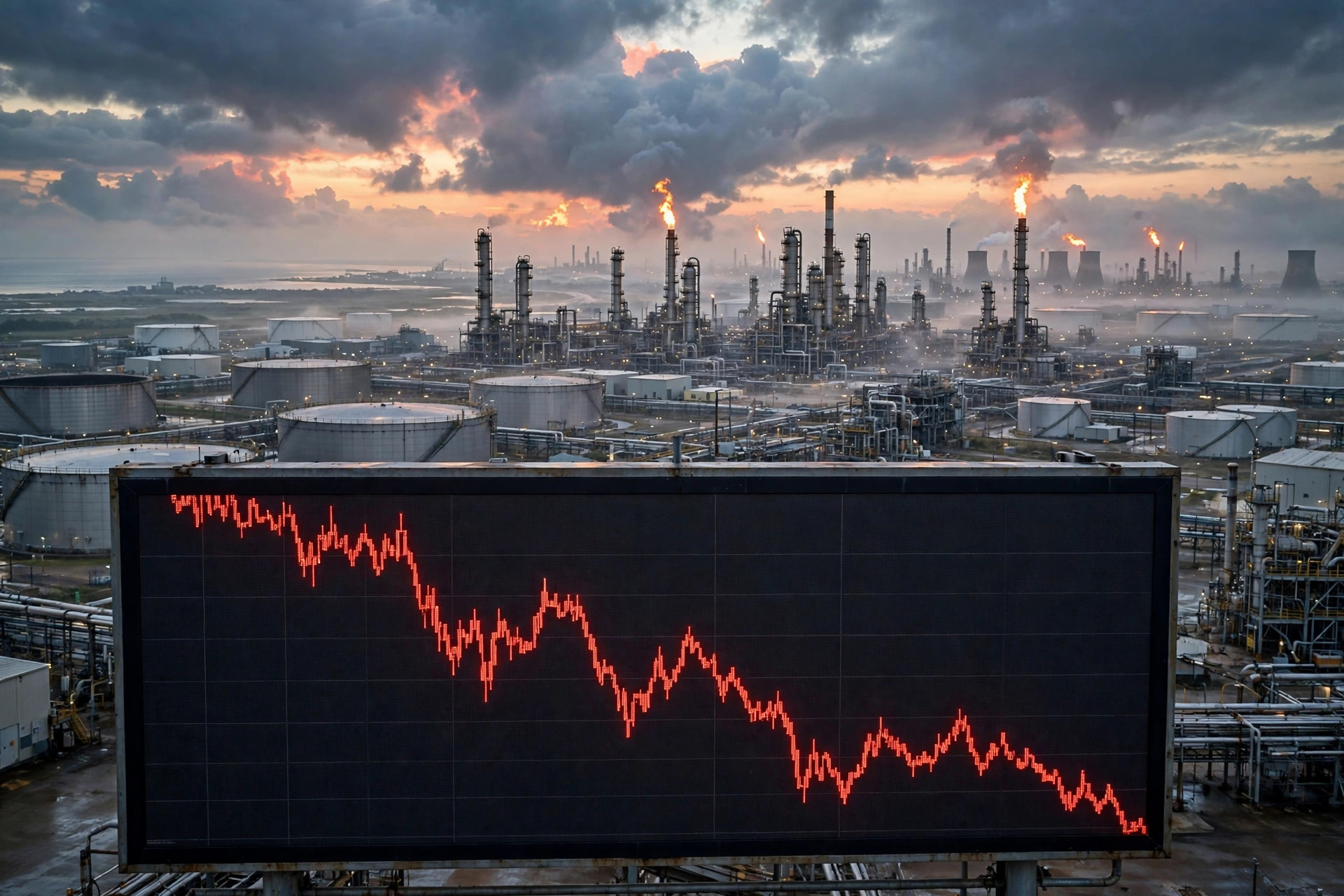
Markets moved fast on the political shift. Brent crude, the international benchmark, fell $8.98, or 8.7 per cent, on Wednesday to settle at $94.62 a barrel, while US West Texas Intermediate dropped $7.97, or 8.3 per cent, to $88.12. Both benchmarks closed at their lowest since 31 August, having traded as high as about $118 last Friday.
The slide continued on Thursday morning, with Brent slipping to around $93.50 to $93.63 a barrel and WTI to about $87.13, as traders bet that a president facing a Democratic Congress and voter anger over petrol prices would be less likely to escalate and more likely to seek a deal. Brent has now fallen by roughly a fifth so far this week, putting it on course for its largest weekly drop since April 2020.
Analysts urged caution, however. The incoming Congress does not take office until January, so American policy has not changed overnight, and some warned that a president freed from electoral pressure could still choose escalation. Gulf government sources told Reuters that a weakened Trump had more reason to negotiate.
What it means for the Gulf
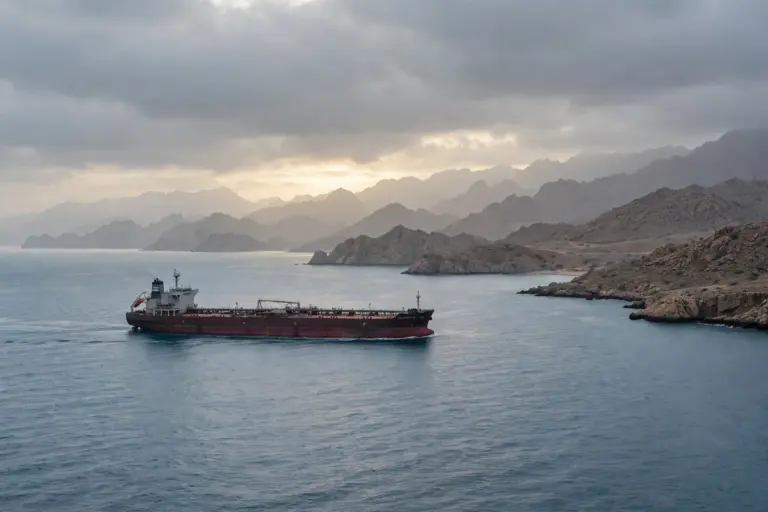
For Gulf producers and consumers, the price swing cuts both ways. Lower crude eases fuel costs and inflation pressure worldwide, but it also squeezes the revenues of oil-exporting states already absorbing the costs of a war that has disrupted shipping through the Strait of Hormuz, the waterway carrying a fifth of the world’s oil and liquefied natural gas.
Qatar has stepped up mediation efforts to avert renewed escalation, according to reports, while Iran’s Supreme Leader Mojtaba Khamenei said American hostility would persist regardless of which party controlled Congress. A senior Iranian official told Reuters the two sides remained far from a deal — a reminder that the market’s bet on peace is still just that: a bet.