


WASHINGTON, 4 November 2026 — United States President Donald Trump has said Washington has no immediate plan to launch fresh strikes against Iran, even as he warned that American forces remain “locked and loaded” if military action becomes necessary.
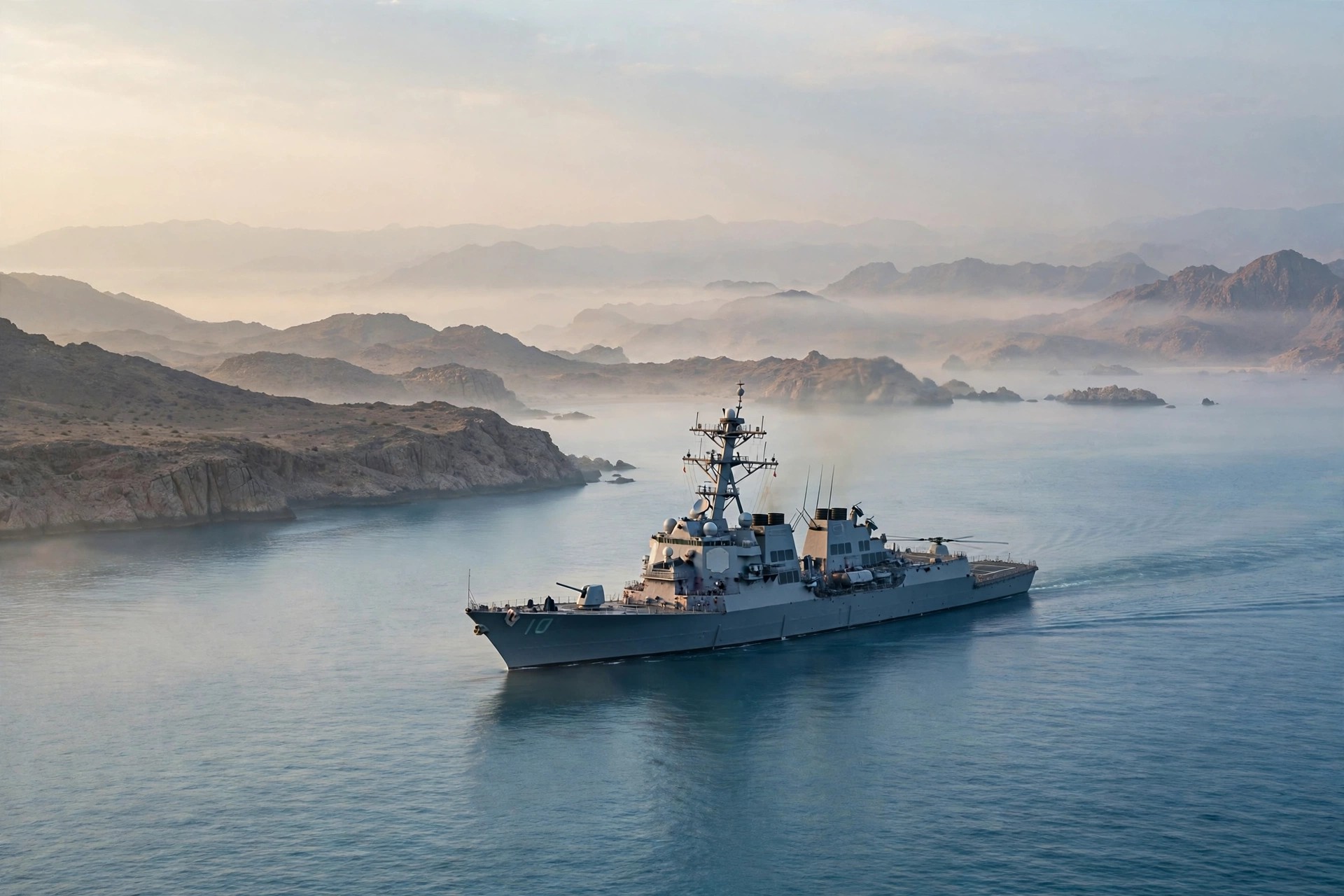
No immediate strikes, but ready to act
In an interview with the Financial Times on Tuesday, Trump said he was satisfied with Washington’s current position in the standoff with Tehran. “We seem to be getting everything we want,” he told the newspaper, adding: “I’m ready, we’re ready. We’re locked and loaded if we need to go, but there may be no reason for it.”
Trump also told the Financial Times that the United States is “not really in a war” with Iran, pointing to earlier operations including Operation Midnight Hammer, which he said had wiped out much of Iran’s nuclear potential. He said discussions over Iran’s stockpile of enriched uranium were continuing, while expressing unhappiness that material remained buried beneath debris from earlier strikes.
The remarks came as Americans voted in midterm elections on Tuesday, with the president telling reporters on Monday that he was not considering striking Iran after the polls. Reports in recent days had suggested Washington was preparing fresh strike options that could be ready as early as Wednesday, and that Israeli Prime Minister Benjamin Netanyahu had pressed for renewed action once the elections were over — claims Trump did not confirm.
What happened on Qeshm Island
Trump’s comments followed United States strikes on Monday on Iran’s Qeshm Island, in the Strait of Hormuz, which US officials described as a limited defensive operation. In a separate interview with Fox News, Trump confirmed the operation and described it as a “minor attack”, saying American forces had watched an Iranian air-defence facility being built for about two months before striking it as soon as it was completed.
US officials said the strikes were aimed at surface-to-air missiles used against American military assets. Iranian officials, meanwhile, said their air defences had intercepted US drones over Qeshm. The two accounts differ, and neither side has published full evidence for its version of events.
Iran’s chief negotiator in talks with the United States, Mohammad Bagher Ghalibaf, said Tehran was “ready for battle with its finger on the trigger”, while Deputy Foreign Minister Kazem Gharibabadi said Iran retained the right to legitimate self-defence. President Masoud Pezeshkian struck a more diplomatic note, saying his government was still seeking to resolve the crisis through dialogue and that no one would benefit from a return to war.
Talks continue, but a deal remains distant
Indirect negotiations have continued through Qatari mediators in Doha, where Iranian officials have met mediators for three consecutive days. US Vice President JD Vance said on Sunday there had been “a number of good conversations with the Iranians” and that Washington felt “pretty good” about the prospects for a negotiated settlement.
Despite that optimism, a senior Iranian official told Reuters on Tuesday that the two sides remain far from a deal to end the conflict. Pezeshkian said Iran’s supreme leader had recently granted the government new powers to negotiate issues previously considered off-limits, a step he presented as opening room for diplomacy.
The Wall Street Journal reported that US strike plans were ready from as early as Wednesday and that Trump had leaned toward a large attack after the midterms but had not decided. Gulf News live coverage also noted reports of stepped-up US military cargo flights and air-defence reinforcements in the region, though it stressed there was no US confirmation of an attack plan.
What happens next
For Gulf states, the stakes are high. The Strait of Hormuz carries a large share of the world’s seaborne oil, and any return to major combat would threaten shipping, energy prices and regional markets. Qatar’s mediation effort is now the main channel keeping diplomacy alive, with Egypt also urging flexibility from both sides.
Whether Trump’s “locked and loaded” warning is a negotiating tactic or a prelude to action will become clearer in the coming days, as the midterm results settle and the Doha talks either produce movement or stall. For now, the president’s message is deliberately two-sided: no new strikes are planned immediately, but the option remains firmly on the table.

[…] had told the Financial Times on Tuesday that the United States had no immediate plans for fresh strikes on Iran. On Wednesday, he added that he would act if Tehran refused a binding deal blocking a nuclear […]
[…] Israel also shared some of the intelligence with officials in Gulf states, according to the report. Several questioned whether Iran was developing plans to use chemical weapons and believe Israel is trying to push the United States and its partners back into a more intense phase of the war. […]