

WASHINGTON, Thursday, October 29, 2026 — The United States has warned several Gulf Arab allies to prepare for possible renewed military action against Iran after next week’s midterm elections, according to diplomats briefed on the warnings, putting the region on alert for a return to major operations in a war that began in late February.
US officials told several Middle East countries and regional allies to brace both for a fresh round of strikes and for the possibility that Iran will retaliate against them, the diplomats said, speaking on condition of anonymity because they were not authorised to discuss the sensitive warnings. The White House and US officials declined to comment.
No final decision, officials stress
President Donald Trump has not made a final decision on whether to carry out new strikes, the diplomats stressed, but he has repeatedly said publicly that he is weighing ordering fresh military action once the critical November 3 elections are over. At a rally in Fort Myers, Florida, on Friday, he raised the prospect of what he called another “little Epic Fury” — or, he added, Tehran could choose to negotiate.
On Tuesday, the Wall Street Journal reported that Washington had told several unspecified Gulf Arab countries to be ready for a short yet intensive military offensive against Iran following the midterms, with American forces stocking up on munitions and preparing bombers and fighter jets.
A short, intense campaign — and retaliation fears
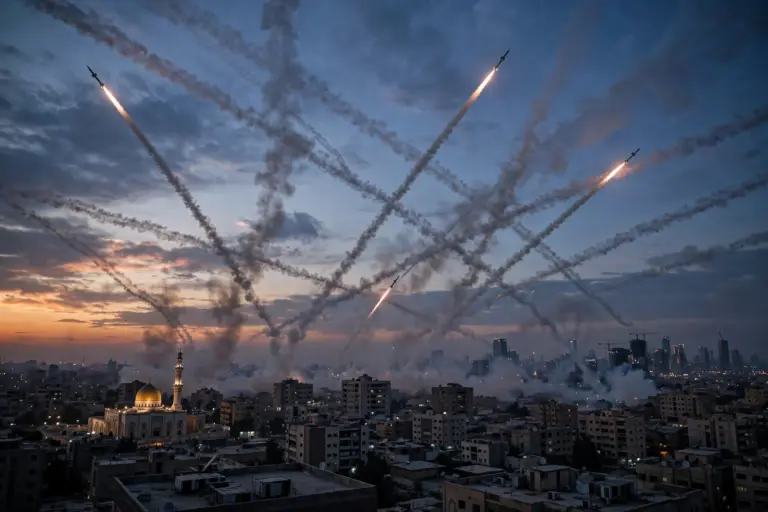
The diplomats said the US has told regional allies that a new round of military action could last several days, but regional officials are bracing for Iran and its allied groups to retaliate — potentially against energy facilities and other critical infrastructure — in a fight that could last even longer.
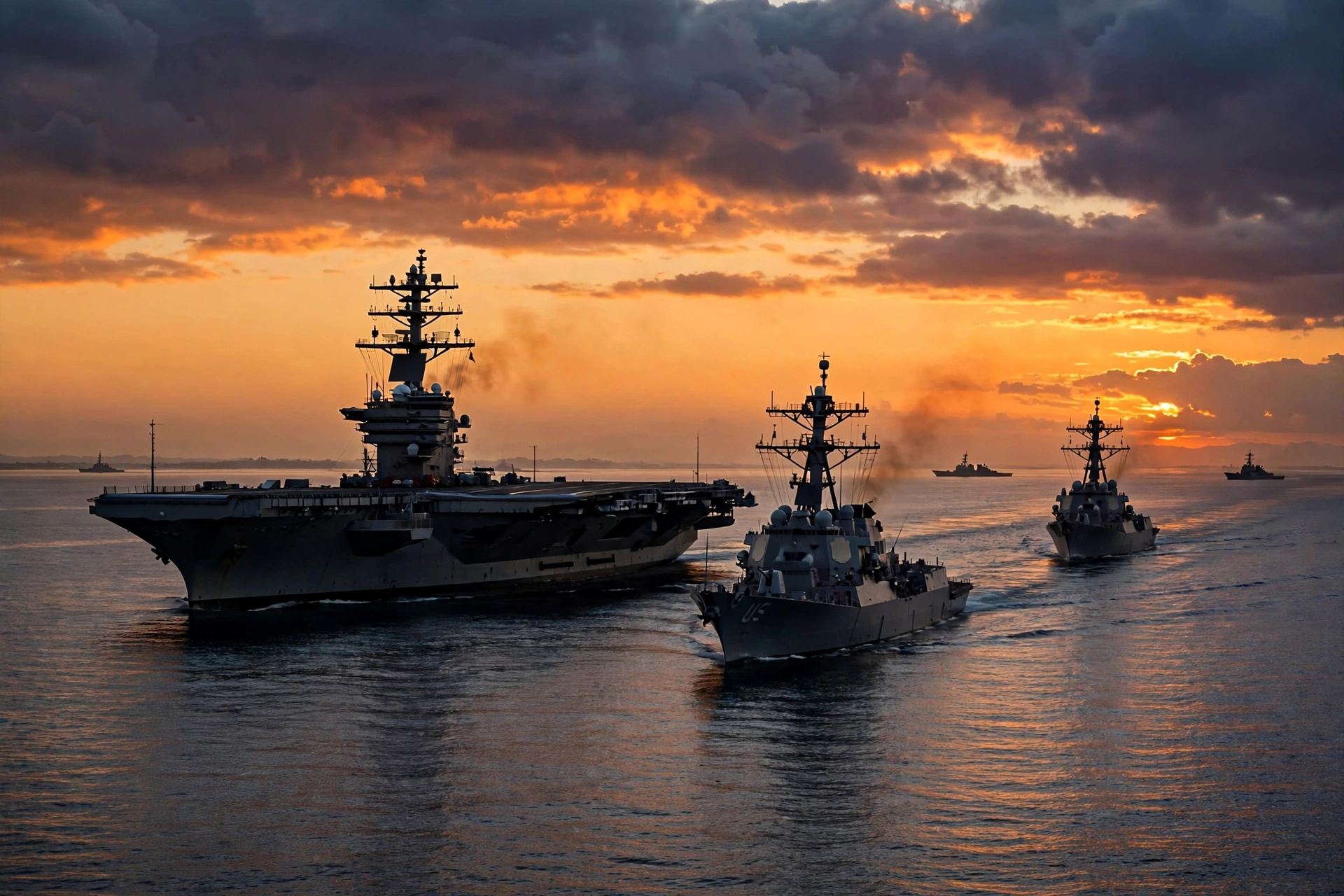
US military preparations are already visible, reports said. The Pentagon deployed the aircraft carrier USS Theodore Roosevelt and several amphibious ships carrying Marines from San Diego to the Persian Gulf late last month, sending roughly 9,000 additional troops to the region.
Gulf capitals urge restraint
The warnings have unsettled Gulf capitals, which have spent weeks trying to head off another escalation. The United Arab Emirates foreign ministry issued a statement urging the sides to “exercise wisdom and pursue political solutions to help contain tensions” and prevent a return to full-scale operations. Saudi Arabia has reportedly urged Washington to give negotiations more time, while Qatar leads a last-ditch push for an agreement between Tehran and the Trump administration, Gulf News reported.
Diplomacy still alive, barely
Diplomatic efforts have not stopped. Iranian Foreign Minister Abbas Araghchi said on Wednesday in a post on X that Tehran “continues to give diplomacy a chance to succeed” and is working with mediators to review ideas that Tehran included in a proposal floated last month — summarily rejected by Trump — that the Iranians still want to see used as the basis to return to a ceasefire.
But the signals remain contradictory. A senior Iranian official told Reuters that a Qatari draft deal contained “unacceptable ideas, not an offer,” even as Tehran says it remains in close contact with mediators over its own seven-day plan to end the war and reopen the Strait of Hormuz.