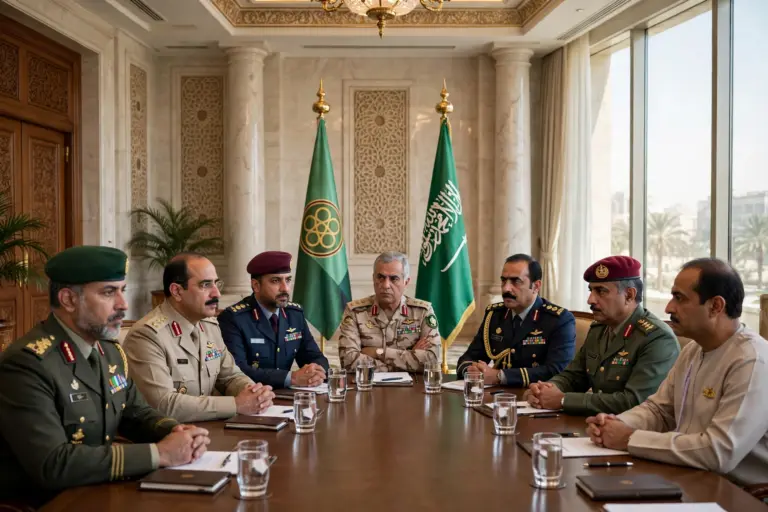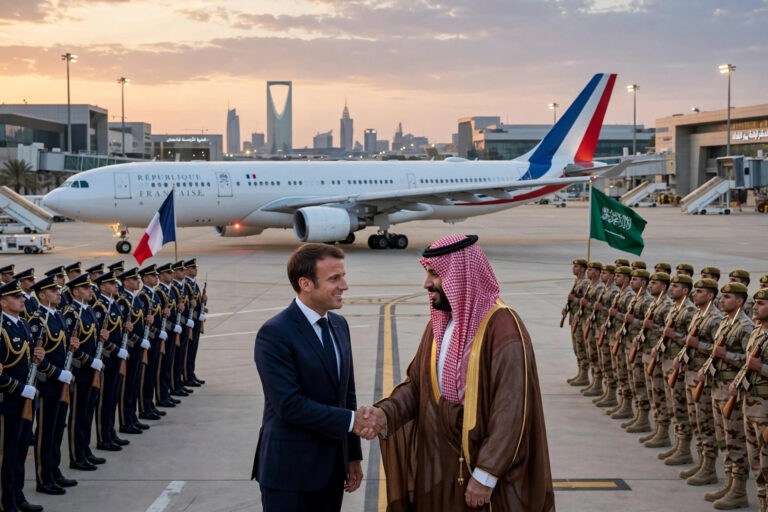


ANKARA/ISLAMABAD, Friday, October 9, 2026 — Türkiye is assessing how it can help Saudi Arabia defend itself against attacks by Yemen’s Houthi militants under the trilateral Makkah Joint Defence Agreement signed with Pakistan, Foreign Minister Hakan Fidan said on Thursday, while ruling out any Turkish participation in offensive operations.
Speaking at a joint press conference with his Hungarian counterpart Anita Orban in Ankara, Fidan stressed that the pact is a defensive arrangement rather than an offensive one, Reuters reported. He said military officials are examining possible Turkish contributions, particularly in air defence, electronic warfare and technical support.
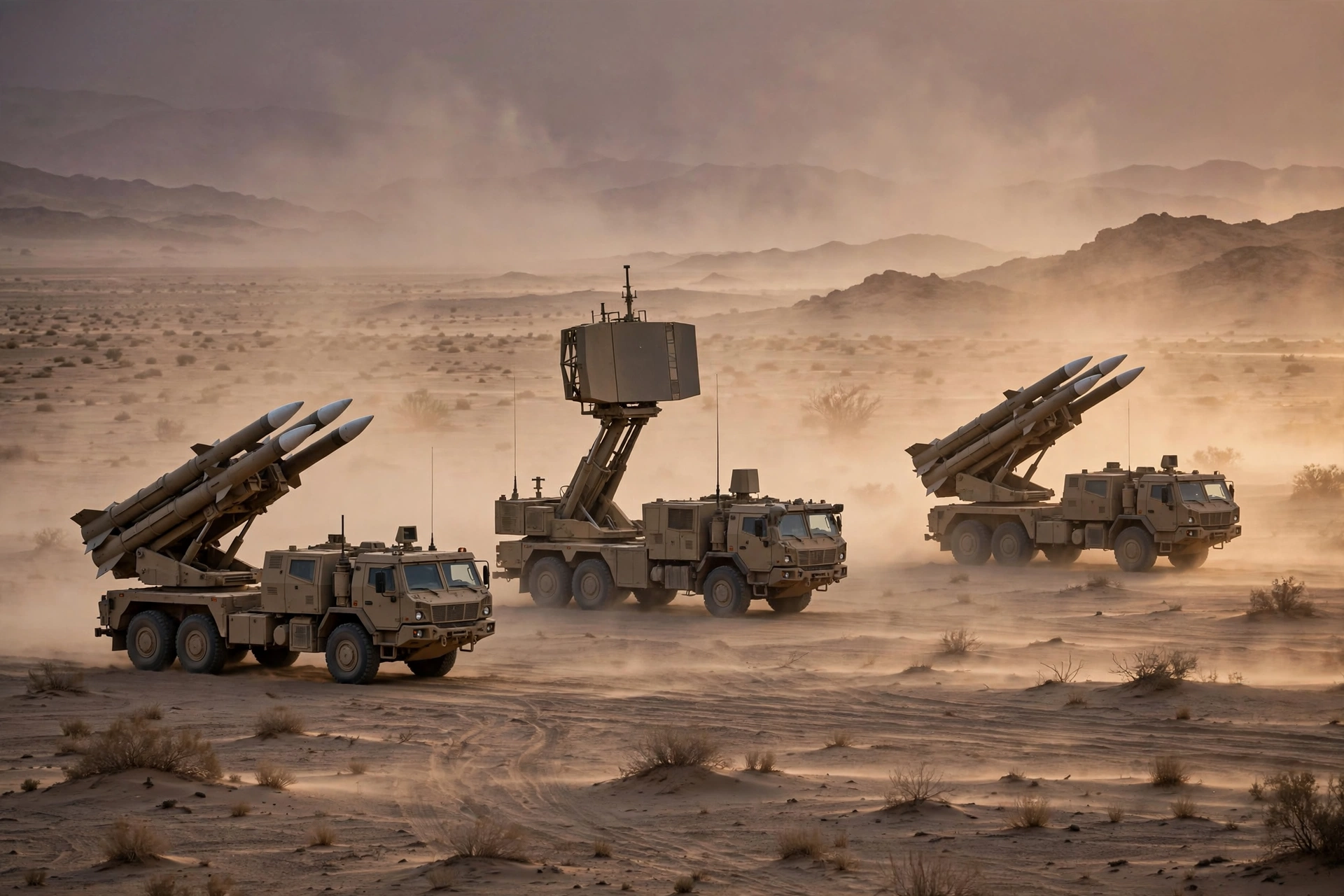
“But this is a defensive agreement. When a country party to the pact comes under attack, you stand by it in its defence. This is not an offensive agreement. Türkiye will not send troops to another country to carry out attacks on its territory,” Fidan said, according to Reuters.
Defence needs assessment underway
Fidan said military delegations would determine Saudi Arabia’s operational defence needs and what contributions Türkiye and Pakistan could make. A day earlier, two officials told Reuters that Ankara was already sending mainly defensive and technical support to the Kingdom to help counter the Houthi campaign.
The remarks follow Monday’s emergency meeting of the Strategic Political and Defence Committee of the Makkah Alliance for Defence in Riyadh, where Türkiye, Pakistan and Saudi Arabia agreed to move immediately to implement their collective defence commitments and ensure the “rapid deployment” of military forces and capabilities in Saudi Arabia.
The October 5 session marked the first-ever activation of the mutual defence pact, signed on August 7, which stipulates that an armed attack against any one of the three member states is regarded as an attack against all.
Pact heads to parliament
Turkish officials said any support provided at this stage would largely be in a bilateral capacity, because Türkiye’s parliament has not officially ratified the joint defence agreement.
Fidan said he had completed preparations to submit the Makkah agreement to parliament for approval and had made a final presentation on the matter to President Recep Tayyip Erdogan on Wednesday, with a decision taken to send the agreement to parliament as soon as possible.
The foreign minister noted that Monday’s extraordinary meeting in Riyadh had also addressed institutional matters, including the structure of the alliance’s military headquarters, the status of the secretariat and the appointment of a new secretary — Pakistan’s Lieutenant General Nauman Mahmud as the alliance’s first secretary general for a three-year term.
Pakistani troops ‘already there’
In Islamabad, the head of Pakistan’s military public relations, Inter-Services Public Relations Director-General Lt Gen Ahmed Sharif Chaudhry, told CNN on Wednesday that Pakistani troops are already present in Saudi Arabia across multiple capabilities and domains.
“Pakistani troops have been there for decades […] in Saudi Arabia,” the ISPR chief said, adding that the Makkah alliance had not emerged “in a vacuum” but was built on longstanding diplomatic, political, military and people-to-people ties among the three countries.
“So I can share with you that Pakistani troops, in multiple capabilities and domains, are already there,” he said.
Context: escalating strikes
The flurry of diplomacy follows weeks of Houthi attacks on Saudi territory, including claimed missile and drone strikes on King Khalid International Airport in Riyadh, Aramco facilities and airports in the south. Saudi officials have said the assaults hit civilian infrastructure, while the coalition has carried out retaliatory strikes on Houthi targets across Yemen.
US Congressman Joe Wilson wrote on X that the trilateral pact had the potential to become “the NATO of the Middle East,” a remark widely quoted in regional media.
For now, diplomats say, the message from Ankara is calibrated: support for the Kingdom’s defence, delivered through parliaments and military delegations — but no offensive campaign beyond Saudi borders.